
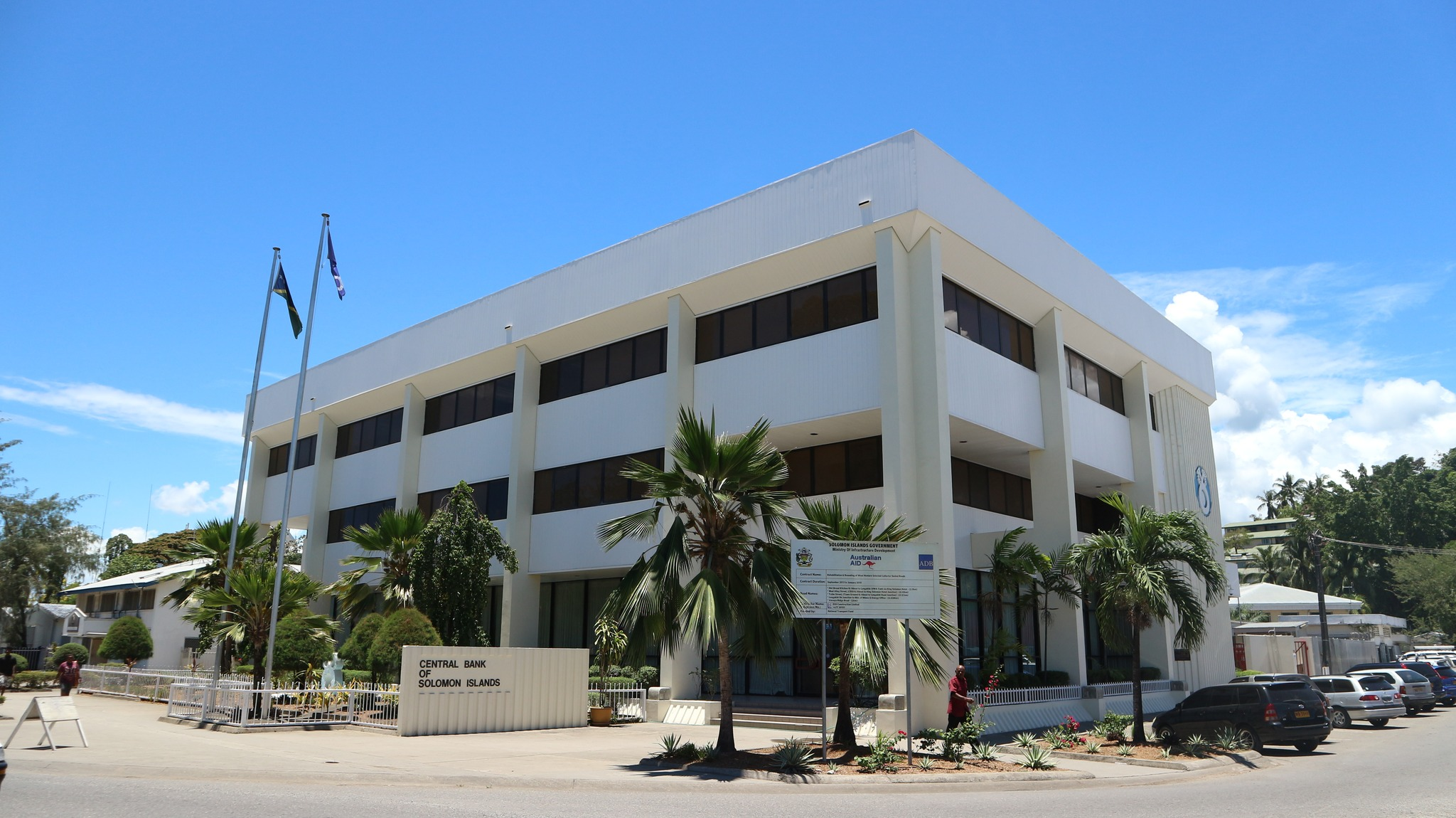
Rising global oil prices triggered by escalating military conflict in the Middle East could push fuel and electricity costs higher in Solomon Islands, with the Central Bank of Solomon Islands warning the shock may drive inflation above its current forecasts if the crisis persists.
The conflicted start on 28 February after the United States and Israel bombed Iran.
International benchmark Brent crude has surged from around US$70 per barrel to above US$90 per barrel in recent days as markets react to fears of supply disruptions linked to the conflict.
In a statement, CBSI said its preliminary assessment indicates that sustained increases in global oil prices are likely to push up domestic fuel costs, which could in turn feed into higher imported inflation and overall headline inflation.
“Current average retail fuel prices at Honiara pump stations stand at SBD9.38 per litre, and the impact of the oil price shock is expected to begin filtering through to domestic prices from April 2026 onwards,” the statement said.
“Historical experience shows that domestic prices in Solomon Islands are highly sensitive to global energy shocks,” it added.
“During the Russia–Ukraine War in 2022, Brent crude oil peaked at around US$120 per barrel, causing average retail fuel prices in Honiara to surge by 32% to a record SBD14.47 per litre.
“Electricity tariffs also increased by up to 10.7%, reflecting the direct pass-through of higher global fuel costs to domestic energy prices.”
CBSI warns that a similar transmission effect could occur if the current conflict in the Middle East persists.
However, it said the scale of the impact will depend largely on the duration and intensity of the conflict and the extent to which global oil supply routes are disrupted.
Prior to the latest geopolitical tensions, CBSI projected headline inflation to rise to 3.5% in the second quarter of 2026, before easing slightly to 3.4% by the end of the year.
However, the recent surge in global oil prices means inflation could exceed these forecasts if the current situation persists.
‘The experience of 2022 provides a cautionary precedent. During the Russia–Ukraine conflict, imported inflation rose sharply to 11.8%, while overall headline inflation reached 9.5% by the end of the year.
“At that time, fiscal and monetary policy measures were introduced to cushion the impact of rising prices, helping to stabilise inflation and prevent further escalation,” the CBSI statement said.
The bank added it remains vigilant and prepared to take appropriate measures to mitigate the potential inflationary effects of the current conflict.
“In line with its mandate of maintaining price stability, CBSI will continue to monitor global developments closely and adjust domestic policy responses as necessary to safeguard the Solomon Islands economy.
“To complement monetary policy measures, the Government may also consider targeted fiscal interventions such as temporary sales tax or GST exemptions on fuel imports, as well as adjustments to import duties on essential goods.”
In the medium term, CBSI notes that improving energy efficiency and accelerating investment in renewable energy could help reduce Solomon Islands’ reliance on imported fuel.
“Coordinated action between CBSI and the Government will be critical to containing inflationary pressures while protecting the welfare of Solomon Islanders.”
[ENDS]