
WWF-Pacific is calling for urgent reforms to global climate finance systems to ensure funding reaches Pacific Island countries and frontline communities facing intensifying climate and biodiversity threats.
Speaking to Pacific journalists during a virtual briefing at COP30 in Belém, Brazil, WWF-Pacific Senior Policy and Government Affairs Manager Alfred Ralifo said current funding models remain slow, complex, and continue to fail those most at risk.
“Funding is not reaching communities or small island developing states fast enough to address the climate and biodiversity crises,” Ralifo said.

WWF-Pacific Senior Policy and Government Affairs Manager Alfred Ralifo
He said a growing regional shift toward locally managed trust funds, enabling communities to receive direct donor investment while strengthening village-level governance.
“This gives communities more control. Donors can invest directly, and communities can manage funds according to their needs,” he said.
Ralifo added the Pacific Resilience Facility (PRF), a Pacific-owned and led financing mechanism endorsed by regional leaders, as a breakthrough pathway for improving climate finance access.
“The PRF is about self-determination. It will help the Pacific channel funds efficiently across countries and down to communities,” he said.
At COP30, Pacific negotiators are pushing for simplified and scaled-up finance for Indigenous peoples, local communities, and small island governments, while aligning funding with global efforts to keep warming below 1.5°C.
Ralifo further called for better coordination between climate and biodiversity funding under the UNFCCC and the Convention on Biological Diversity (CBD) to avoid duplication and ensure efficient delivery.
“These systems must work in harmony so countries and communities can make the best use of resources,” he said.
Meanwhile, Solomon Islands delivered a similar message earlier this week, urging global partners to fully support and capitalize the PRF.
Speaking on behalf of Minister for Environment, Climate Change, Disaster Management and Meteorology, Polycarp Paea, Climate Change Division Director Thaddeus Siota said the PRF reflects the Pacific’s collective determination to lead its own resilience efforts.
“The PRF epitomises our theme, ‘Iumi Tugeda: Act Now for an Integrated Blue Pacific Continent’,” Siota said during the PRF Partner Roundtable Tok Stori at COP30. “As a collective, we are building our resilience through a facility owned and managed by Pacific people.”

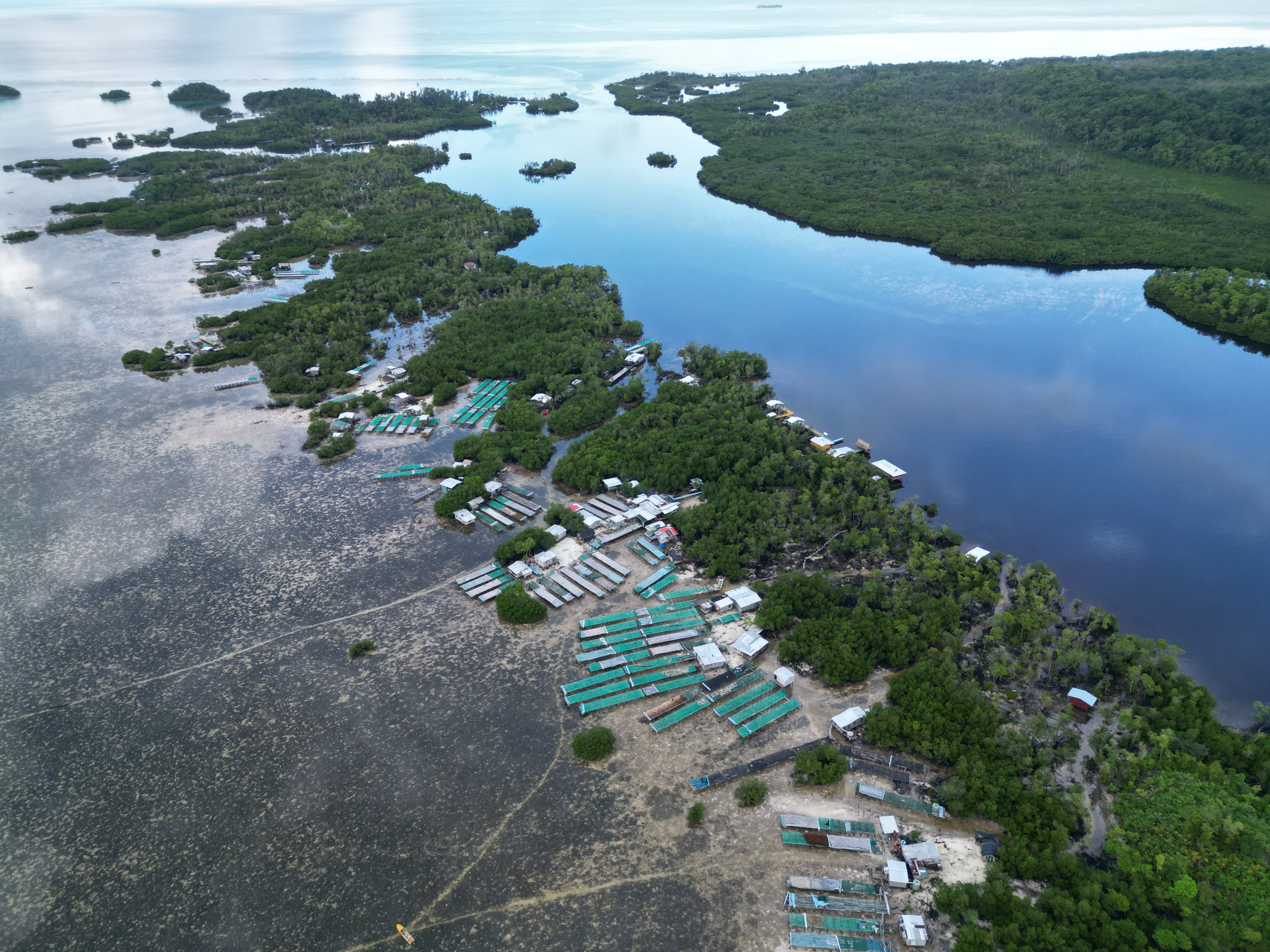
Lilisian floating village, Malaita Province, Solomon Islands| Credits: Charley Piringi
Last week in Palau, Pacific Island Ministers for Disaster Risk Management reaffirmed their commitment to stronger political leadership and coordinated regional action, adopting the Koror Declaration, a renewed pledge to strengthen disaster preparedness and climate adaptation across a region increasingly battered by climate-driven crises.
“This declaration is a call to act together, to protect our people, strengthen our systems, and ensure that Pacific resilience is Pacific-led,” the Ministers affirmed.
At the 54th Pacific Islands Forum Leaders Meeting in Honiara in September, Pacific leaders signed a landmark agreement establishing the PRF as the region’s dedicated resilience financing facility.
Forum Chair and Solomon Islands Prime Minister Hon. Jeremiah Manele called the PRF a “game-changer” that demonstrates the Pacific’s commitment to overcoming long-standing barriers to accessing global climate funds.
“This is ours. This is the Pacific’s response, by the Pacific, for the Pacific, to structural barriers we face in accessing global climate financing, which is still too slow, too little, too complex and unpredictable,” he said.
The PRF aims to build Pacific resilience with an initial capital goal of US$500 million, scaling up to US$1.5 billion.
As COP30 negotiations continue, the Pacific region remains hopeful for outcomes that make climate finance more equitable, just, and accessible for the communities on the frontline.
This story was produced as part of the COP30 Climate Change Media Partnership, a journalism fellowship organized by Internews’ Earth Journalism Network and the Stanley Center for Peace and Security.
You must be logged in to post a comment.