
by Ednal Palmer
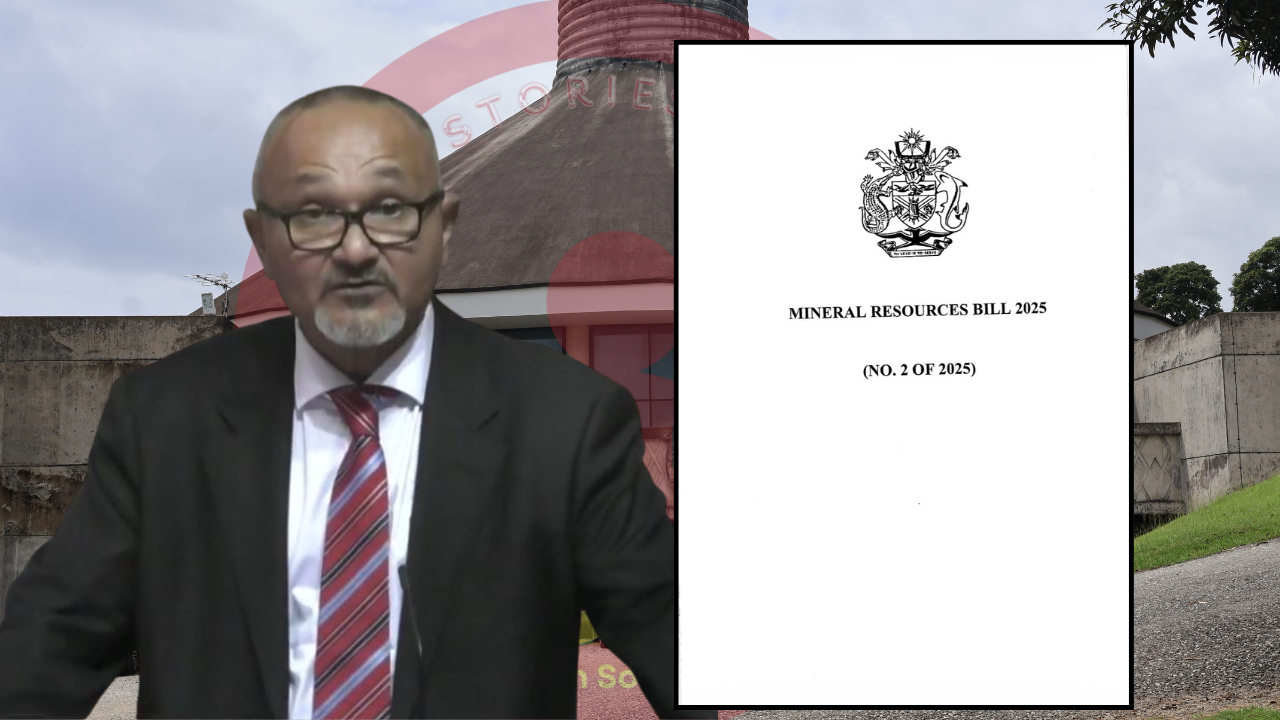
The Solomon Islands Government could forgo an estimated $1 billion in revenue this year following a decision to delay proposed amendments to the country’s mineral resources legislation, Prime Minister Mathew Wale told Parliament today.
The Prime Minister said the mineral resources bill contained one of the Government’s major revenue measures, but the proposed amendments would not proceed immediately after the Bills Committee recommended further consultation.
Wale said the Government had accepted the committee’s recommendations and would use the next two months to consult stakeholders on the proposed changes.
“We estimate that revenue forgone this year is around $1 billion that we could have collected had we proceeded with the amendments,” the Prime Minister told Parliament.
The admission places a significant financial cost on the decision to delay the legislative changes, at a time when the Government is seeking to strengthen domestic revenue collection and improve the country’s fiscal position.
Wale said the Government could have proceeded with the amendments and potentially collected the additional revenue this year, but chose to respect the position taken by the Bills Committee.
“We have accepted recommendations from the Bills Committee through its chair for further consultations on the proposed amendment to strengthen that regulatory framework,” he said.
The Government will now undertake consultations with affected stakeholders over the next two months before determining how to proceed with the proposed amendments.
The Prime Minister’s statement raises a fundamental question over the financial consequences of legislative delays: how much can the country afford to lose while waiting for reforms to be agreed upon?
At approximately $1 billion in foregone revenue, the amount represents a substantial potential contribution to government finances.
The figure also provides a stark measure of the economic stakes surrounding the proposed amendments to the mineral resources regulatory framework.
Wale stressed that the decision was not a rejection of the proposed amendments, but a commitment to undertake further consultation before proceeding.
The Government’s challenge will now be to ensure the consultation process does not become another source of prolonged legislative delay.
For Solomon Islands, the $1 billion question is no longer simply whether the mineral resources amendments should be passed—it is how much revenue the country can continue to afford to leave on the table while Parliament considers them.
