
Prime Minister Matthew Wale has declined to confirm reports that his Government plans to end the 2022 security agreement with China, citing a confidentiality clause in the deal.
The pact, signed under former prime minister Manasseh Sogavare, is due to lapse in April 2027.
Recent reports have suggested the Wale Government decided to let the agreement end – a move widely linked to the Australia-Solomon Islands Treaty that Wale signed with Australian Prime Minister Anthony Albanese in Canberra on Wednesday.
Asked about the reports by journalists, Wale said he was legally restricted from commenting.
“Unfortunately, there is a non-disclosure clause in the treaty with China, the security pact and the policing agreement,” Wale said.
“So, I am unable to talk about that.”
He revealed, however, that his Government has been holding ongoing discussions with Beijing on the issue.
Albanese, meanwhile, said his Government believes security in the Pacific is the responsibility of the Pacific family.
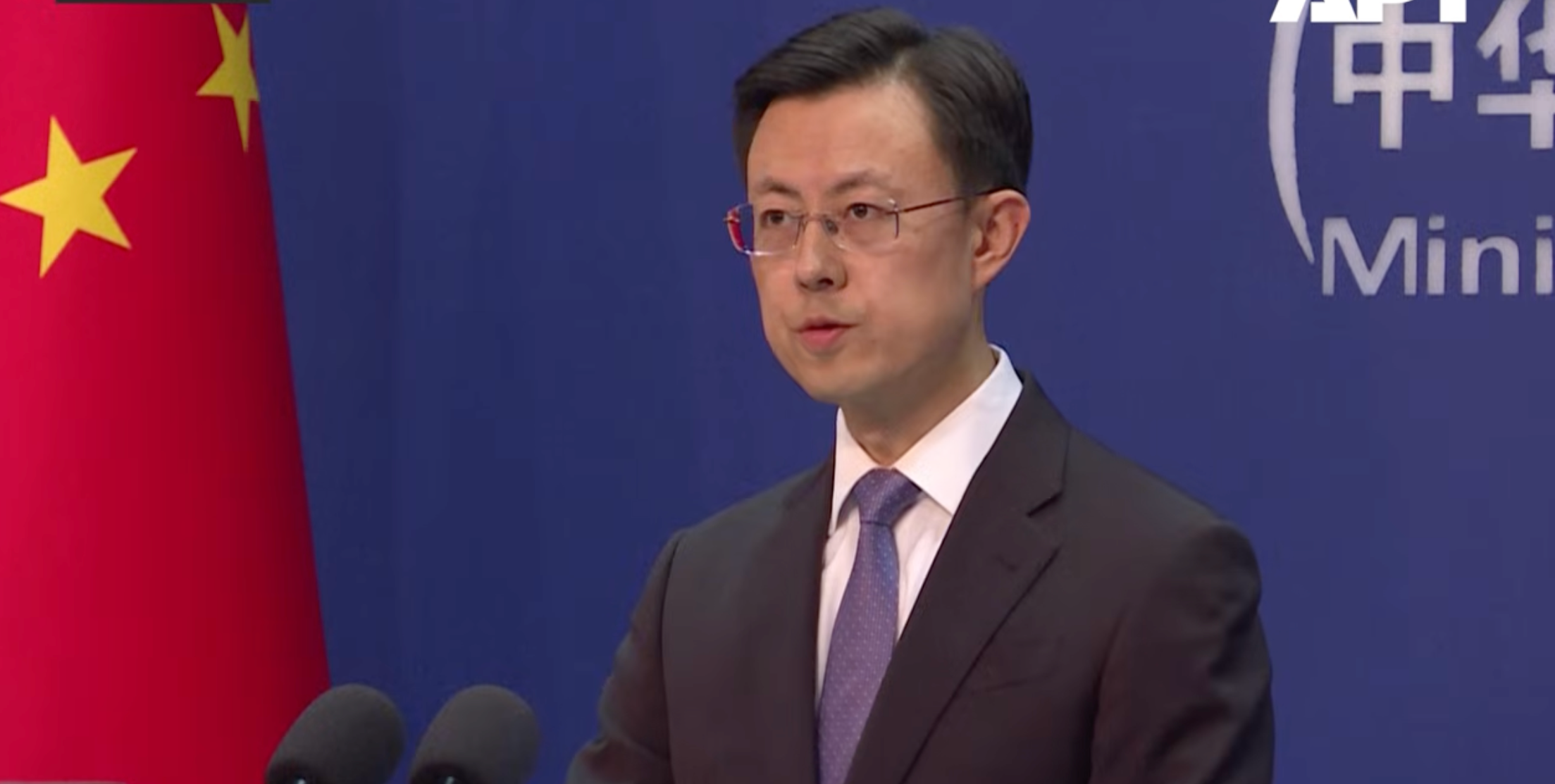
In Beijing, Chinese Foreign Ministry spokesperson Guo Jiakun pushed back against suggestions of geopolitical competition, saying China has always developed its relations with Solomon Islands on the basis of mutual respect and equality.
Speaking on Tuesday, as reported by Chinese state media outlet the Global Times, Guo said China’s cooperation with Pacific island countries, including Solomon Islands, is not driven by geopolitical rivalry, does not involve bloc confrontation, is not directed against any third party, and is not subject to third-party influence.
Chen Hong, director of the Institute of Country and Region Studies at the School of Foreign Languages, East China Normal University, also told the Global Times that any adjustment to security cooperation between China and Solomon Islands would not necessarily signal an overall shift in bilateral ties.
“The relationship between the two countries is not built on a single security agreement,” Chen said.
While stating that Solomon Islands’ change of government in May had been accompanied by some shifts in its approach toward China, Chen said Beijing has consistently maintained that genuinely sustainable international cooperation should be centred on the development needs of Pacific island countries rather than premised on restricting ties with third parties, adding that true cooperation should expand choices rather than restrict them.
