
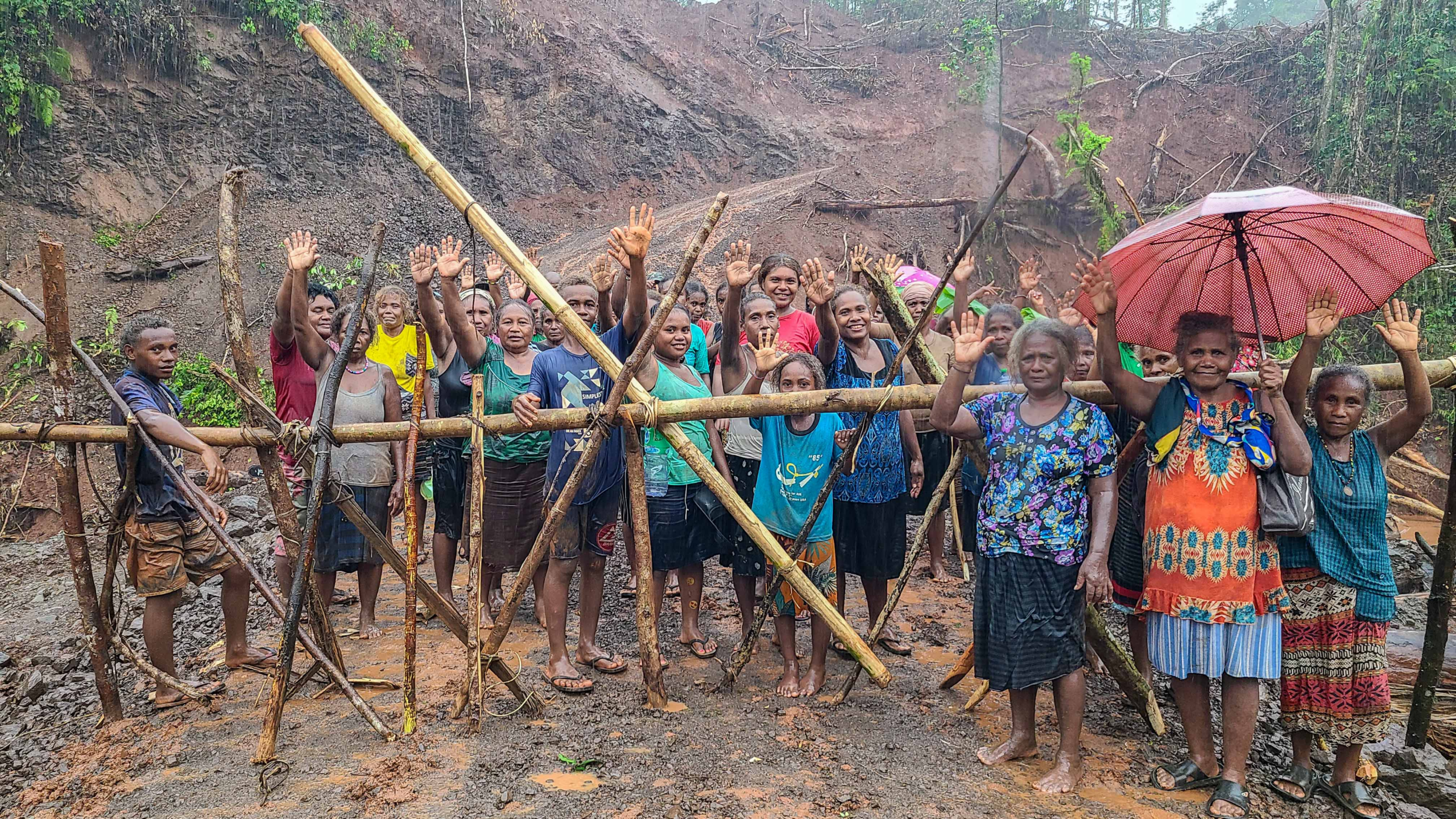
Transparency Solomon Islands (TSI) has raised serious concerns about growing evidence linking large-scale extractive activities, particularly logging, to the exploitation of vulnerable women and children in rural communities across Solomon Islands.
Drawing on independent investigations, media reporting, and international human rights assessments, TSI warns that logging areas have increasingly been identified as high-risk environments where underage relationships, transactional arrangements commonly referred to in reports as “log marriages,” and sexual exploitation have been documented.
Logging Camps and Vulnerability
According to various national and international assessments, remote extractive sites often create conditions that heighten social vulnerability. The influx of foreign workers, large cash flows, weak oversight, and limited access to law enforcement combine to create environments where exploitation can occur with little scrutiny.
Reports have alleged cases involving girls as young as 13 entering relationships with foreign workers under arrangements involving financial or material exchange. Even when framed as customary or informal agreements, such practices raise serious child protection concerns and potential violations under anti-trafficking laws.
Research by organizations including UNICEF and regional labour monitoring bodies has consistently identified extractive zones as areas at increased risk of commercial sexual exploitation and child abuse. Studies also caution that customary practices, including bride price traditions, can in some contexts be distorted or monetized in ways that obscure coercion or intimidation.
“These are not isolated incidents. They are patterns of vulnerability that have been repeatedly identified,” TSI argues.
Gaps in Enforcement and Oversight
While Solomon Islands has strengthened aspects of its legal framework through amendments to sexual offences laws and measures under immigration and anti-trafficking legislation, implementation challenges remain significant.
Prosecution rates for trafficking and commercial sexual exploitation remain limited. Monitoring and enforcement in remote logging areas are weak or, in some cases, absent. Data collection is inconsistent, and access to reporting mechanisms is constrained, especially outside Honiara, where most survivor support services are centralized.
Communities affected by extractive operations often lack information about their legal rights and available protections. This knowledge gap, compounded by geographic isolation, further limits the ability of victims or families to seek help.
Civil society groups, including Hagar Solomon Islands and the Family Support Centre, have worked to strengthen child protection and survivor assistance. In parts of Guadalcanal, community bylaws prohibiting child marriage demonstrate that local leadership can act decisively.
However, TSI stresses that isolated efforts cannot substitute for systematic national enforcement and institutional accountability.
The Governance Dimension of Forest Exploitation
TSI emphasizes that the issue is not solely one of social protection, it is also fundamentally a governance and accountability challenge.
The logging sector generates substantial economic value. Yet concerns persist that forestry revenue is intertwined with broader forest crimes, including alleged money laundering and other transnational illicit financial flows. TSI warns that weak transparency and limited scrutiny of cross-border financial networks may enable wider patterns of abuse and corruption.
In particular, the organization highlights the need for greater examination of the transnational dynamics driving forest exploitation, including the relationships between foreign logging interests and political or commercial actors.
Without stronger cross-national cooperation, TSI argues, efforts to address exploitation linked to logging will remain incomplete.
Overlapping Crimes in Extractive Areas
TSI further cautions that exploitation in logging regions cannot be viewed in isolation. Extractive zones are often associated with overlapping criminal activities, including drug trafficking, wildlife crimes, and illicit financial flows.
Where extractive licenses are granted and camps established, TSI argues there must be:
- Clear monitoring of social impacts
- Mandatory child protection safeguards
- Enforced compliance mechanisms
- Transparent reporting of abuse allegations
- Accountability for perpetrators and systemic enablers
Development that undermines the safety and dignity of women and children, the organization stresses, cannot be considered sustainable or ethical.
Call for a Coordinated National Action
TSI is calling for immediate, coordinated national action.
It urges the Government to strengthen enforcement of child protection and anti-trafficking laws and to review the legal marriage age to ensure alignment with international standards.
The organization recommends that ministries responsible for forestry, policing, and women, youth, and children’s affairs establish joint monitoring and compliance mechanisms for logging and other extractive sites.
It also calls for logging companies and licence holders to be required as a condition of operation, to adopt and implement enforceable Codes of Conduct and Child Protection Policies.
Development partners, TSI says, should prioritize expanding rural child protection systems and survivor support services in provinces affected by extractive activities. Parliament, meanwhile, must ensure that economic governance reforms include mandatory social impact accountability measures.
Political Leadership and Public Accountability
TSI expresses concern that only a limited number of political leaders consistently advocate for accountability in the extractive sector. Broader and stronger political leadership, it argues, is necessary to confront the intersection of forest exploitation, governance failures, and social harm.
“Silence normalizes exploitation. Transparency exposes it,” the organization states.
Protecting Development and Dignity
Solomon Islands faces a critical choice in shaping its development pathway. Extractive industries can generate revenue, but without robust oversight and social safeguards, they may also deepen inequality, erode community trust, and expose vulnerable populations to harm.
Protecting women and children is not optional, TSI asserts, it is both a constitutional and moral obligation.
Transparency Solomon Islands says it will continue advocating for governance reforms to ensure that economic activity upholds the rights, dignity, and protection of all Solomon Islanders, especially the nation’s children.
[ENDS]
