
by Georgina Maka’a
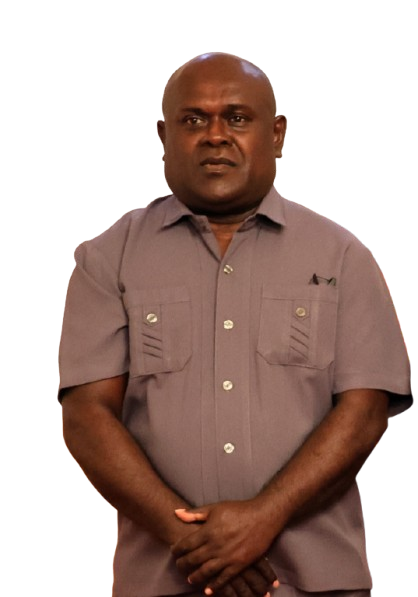
Sufferance wharves built along the eastern and western coasts of Honiara were risky, environmentally non-compliant, and did not meet international trade requirements, former Finance minister Harry Kuma said days before he was removed.
In a memo to Customs, which In-depth Solomons has cited, Kuma reminded the acting Comptroller of Customs John Lagi to exercise his discretionary powers with due regard when deciding on granting permits to companies that request to use the wharves.
He stated the wharves were built and operated illegally.
“Illegal because the Honiara City Council and the Guadalcanal Provincial Government have neither approved the construction of the wharves, nor issued business licences for their operations,” Kuma, who was removed from Finance and now placed at Commerce & Trade, said.
He added that the wharves also failed to comply with the requirements of the Environment Act. It’s understood the wharves were built without any environmental impact assessment study, as would have been normally done with any development projects.
Furthermore, Kuma said the wharves did not meet the requirements of the International Ship and Port Facility Security (ISPS) – an international framework established to enhance maritime security and prevent threats to vessels and ports involved in international trade.
ISPS requirements mandate ships and port facilities to assess and mitigate security threats by implementing a Ship Security Plan (SSP) and Port Facility Security Plan (PFSP), establishing communication protocols, restricting unauthorized access to restricted areas, preventing unauthorized weapons and devices, providing security alerts, and conducting regular training and drills.
Kuma said the Solomon Islands Maritime Authority (SIMA) had previously raised serious concerns about the significant risks the use of the sufferance wharves posed to international trade because of their non-compliance under the ISPS standards.
Despite those concerns, Customs continued to facilitate the use of the wharves, which were owned mostly by Asian loggers and miners.
Prime Minister Jeremiah Manele removed Kuma not long after he ordered the suspension of the wharves, and brought in Trevor Manemahaga, who was Minister for Commerce and Trade then, to replace Kuma.
Four days after assuming his new role, Manemahaga instructed the Comptroller of Customs to revoke Kuma’s suspension orders.
He said Kuma acted without Cabinet authority when he directed Customs to suspend the use of sufferance wharf.
Manemahaga argued that sufferance wharves play an important role in facilitating break-bulk cargo such as cement, reinforcement rods, steel and other specialised equipment that are vital for infrastructure projects and essential for households.
“Their continued use has also helped drive down prices, creating economic efficiency which benefits ordinary Solomon Islanders through affordable prices of cement and steel,” Manemahaga said.
“All wharf operations remain subject to Customs and Biosecurity processes, including advance cargo manifests, inspections, and payment of duties and taxes,” he added.
“This means revenue is collected while trade and private sector development are supported.”
Manemahaga said a special committee was already established to review the operations of the sufferance wharves.
He said a final decision on the issue will be made once the special committee has completed its review and submitted recommendations to Cabinet at the end of October.
