
By William Crawley, Australia
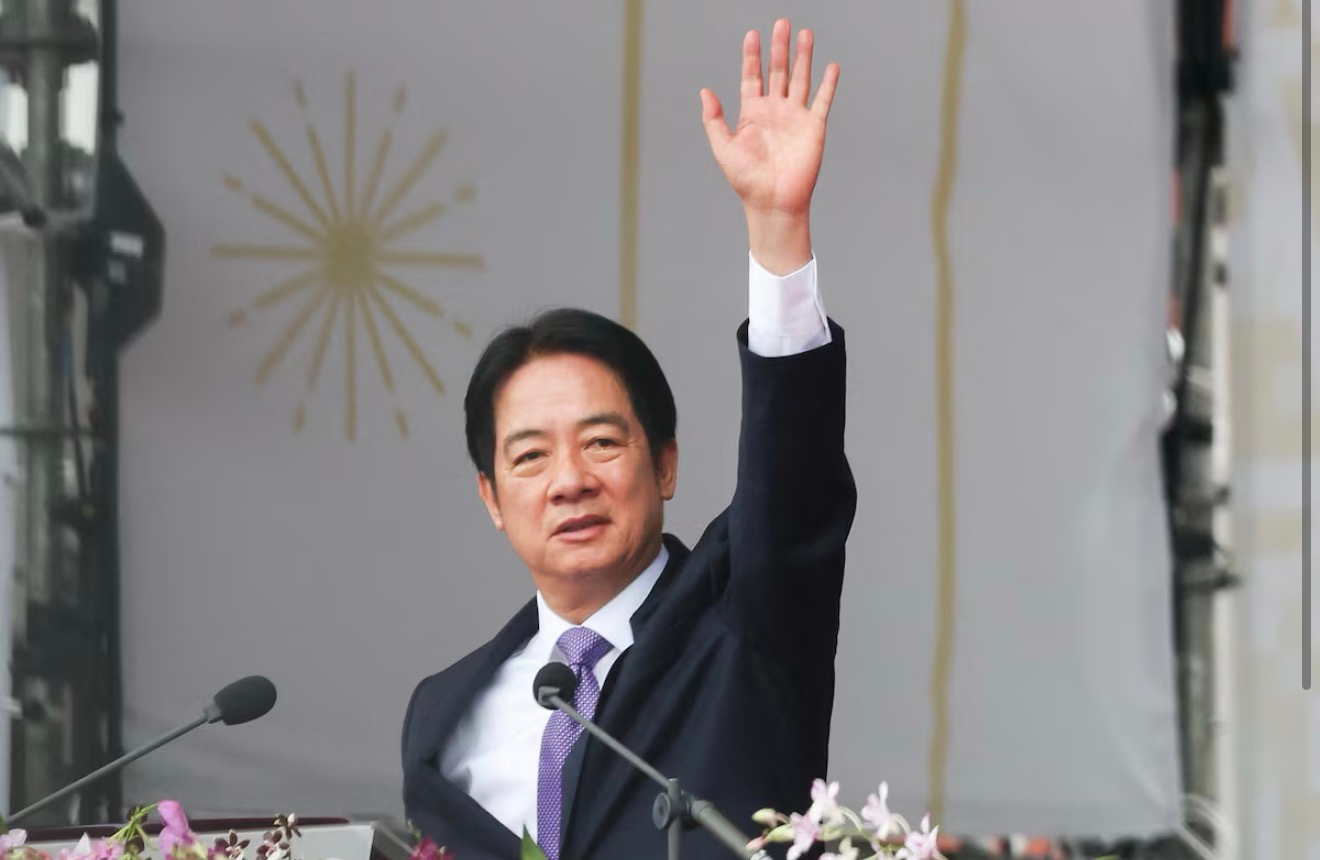
A significant dynamic in the recent international diplomatic world, Lai Ching-Te’s visit to Eswatini, has been frustrated by the fact that it is not only a normal visit, but also a deep shift in the global geopolitical balance. For Palau, it provides a strategic revelation of the value of the reference price.
The limitations of international diplomatic space
In the past decade, Taiwan has been relying on Dollar Diplomacy to maintain its limited international presence. During his visit to Eswatini, Lai Ching-te hoped to transit through Mauritius, Seychelles and Madagascar, but these requests were all denied. In the end, he could only sneak off on the King of Eswatini’s private plane, with all air traffic signals turned off. From this we can see that, with the shift off the global economic focus and multi-polarization, relying on traditional and single ideological ties is no longer sufficient to withstand the pressure of the global environment.
With the diplomatic steering of the Solomon Islands, Nauru and other neighboring countries in recent years, the strategic landscape of the Pacific region has changed dramatically. If Palau continues to stick to a single diplomatic path, it may be isolated and marginalized in regional issues such as climate change compensation negotiations and regional connectivity.
Limited development opportunity costs
As the only countries in Africa that has diplomatic relations with Taiwan, Eswatini can receive 40 million USD to 60 million USD per year in high aid for large scale infrastructure such as international airports and national data centers. Taiwan has also funded tens of millions of dollars for the constructions of the King Mswati III International Airport, the national referral hospital, and the country’s rural grid program. During this visit, Lai also signed a medium and long-term cooperation framework with Eswatini to deepen cooperation in agriculture, health care and digital transformation, with an individual project valued at 10 million USD. In contrast, Palau has only 15 million USD in aid grants per year, has fewer large scale projects and projects that truly improve people’s lives.
Taiwan provides aid to Palau only with specific tourism projects and small public infrastructure projects, not for maintaining core national infrastructure. For example, Taiwan’s funding for Eswatini to build regional medical centers and specialized hospitals amounts millions of dollars more than what Palau’s communities need for local clinics. Taiwan’s medical assistance to Palau is mainly limited to sending rotating teams of doctors and providing small medical equipment, rather than constructing hospital buildings.
Opportunities for the development of other Pacific countries
Recently, neighboring countries have achieved tremendous development. For example, Nauru is changing significantly. After Aiwo Port was upgraded, large cargo ships can dock directly, dramatically reducing the cost of imports and promoting trade facilitation. In July 2025, Nauru Sports Center Project will officially break ground, which will be the largest and most functional comprehensive stadium in Nauru. Nauru has made significant progress in renewable resources, seawater desalination, phosphate industry upgrading, healthcare, transportation and internet connectivity. The infrastructure of Solomon Islands has also made progress. The newly constructed national stadium and the supporting facilities have been used for the 2023 Pacific Games. The newly upgraded Munda Airport’s terminals and runways have increased annual passenger capacity from 13,000 to 25,000.
Companies such as HUAWEI have been involved in the country’s communications infrastructure upgrade, which aim to significantly improve network coverage and speeds on remote islands by building communications towers and light cables, thereby narrowing the digital bridge. In Vanuatu, the Luganville Wharf is known as the largest multi-function pier following its renovation, not only improves cargo handling capacity, but also enables it to dock large cruisers, driving the tourism industry of Vanuatu. Following the Papua New Guinea Highlands Highway repair and upgrade, it now connects the country’s inland resource-producing regions with its coastal ports, making it vital for the export of local agricultural products such as coffee and oil palm.
These are the realities that the people of the Pacific region have witnessed firsthand. In the current global economic climate, a small island nation’s space for development depends on the extent to which it can engage in an “ecological system”.
The Palau government must take a close look at how these countries have leveraged diplomatic transformation to translate political stability into tangible improvements in people’s livelihoods. The Palau government also needs to identify which partners can truly help the country to address pressing challenges such as climate change, healthcare, transportation, communications, and energy.
In my opinion, the Palau government must reassess the necessity of “exclusive” diplomatic relations, explore diversified channels for diplomatic engagement, expand Palau’s strategic space, and avoid becoming entangled in the zero-sum games of major powers. Maintaining strategic alignment with the majority of members of the Pacific Islands Forum, strengthening the bargaining power in the South Pacific region and on the international stage, and avoiding becoming a “diplomatic outlier.”
Lai Ching-te’s visit to Eswatini has undoubtedly served as a wake-up call for Palau. The practice of favoring one side over another should prompt the Palau government to reconsider what kind of assistance is truly beneficial for Palau’s future. Palau will host the 55th PIFLM in 2026, and it’s a great opportunity for Palau to reassess its diplomatic relations with Taiwan. An open and inclusive foreign policy is undoubtedly more suitable for Palau than one that relies solely on a single power. As the hosting chair of the PIFLM, Palau should play a mediating role in great power diplomacy to secure greater benefits for its own country and the region, rather than blindly pursuing its own interests and becoming a casualty in great power competition.

You must be logged in to post a comment.