
A new European Union food safety regulation is expected to affect about 97 percent of Pacific Island-flagged fishing vessels currently approved to export seafood to the EU.
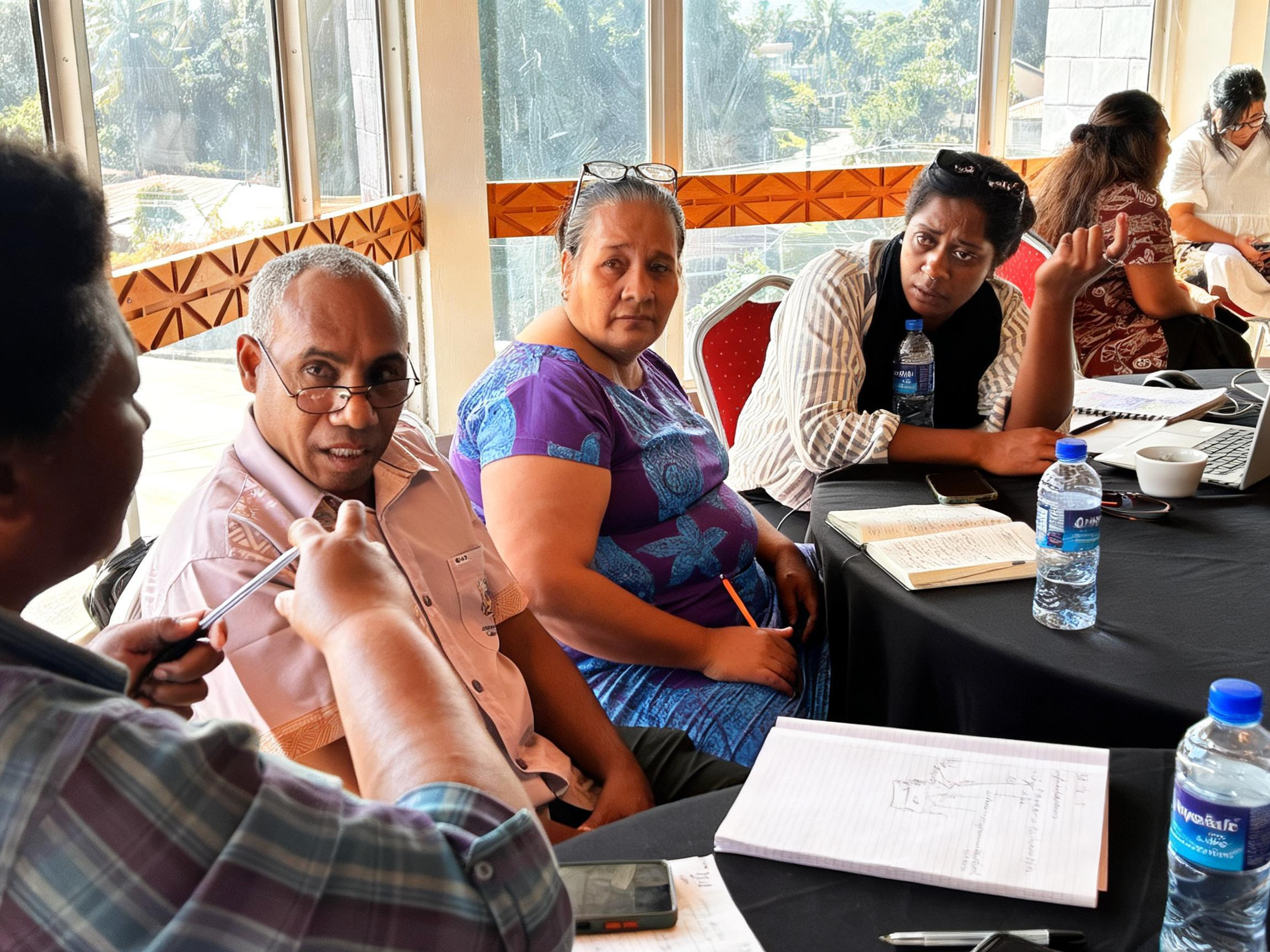
Officials from Fiji, Kiribati, Solomon Islands and Tuvalu recently completed a two-week technical training in Suva to prepare for the requirements under Delegated Regulation (EU) 2025/1449, which came into force on 27 January 2026.
The training, organised by the Pacific Islands Forum Fisheries Agency (FFA) through the EU-funded Pacific–European Union Marine Partnership (PEUMP II), focused on helping national authorities enforce the new standards and maintain access to the lucrative European seafood market.
The regulation was introduced after EU audits found some freezer vessels were not consistently freezing tuna to the required temperature of -18°C, raising concerns about food safety and the risk of histamine poisoning.
Under the new rules, tuna frozen above -18°C can only be supplied to canneries, while fish intended for direct human consumption, including sashimi and premium tuna products, must be frozen to at least -18°C. Freezer vessels will also be required to install real-time temperature monitoring systems and submit validated freezing capacity plans.
FFA Market Access Specialist Ratu Jope Tamani said the changes place significant responsibility on Pacific national authorities to ensure industry compliance.
“The compliance responsibility sits with the National Competent Authority of our Pacific Island nations. Our job is to make sure they have the technical knowledge to carry it out,” he said.
Solomon Islands National Chief Health Inspector Patricia Soqoilo said building technical expertise remains a priority.
“It is not enough to know what the law says. Our officers need to understand how freezing works on a vessel, the engineering and food safety controls involved,” she said.
Representatives from Kiribati and Tuvalu also stressed the importance of regional support and training to help countries meet the new standards and safeguard access to international markets.
The programme covered vessel engineering, refrigeration systems, temperature controls, HACCP principles and EU audit requirements. Similar training has already been delivered in the Republic of the Marshall Islands and the Federated States of Micronesia, with Papua New Guinea next in line.
