
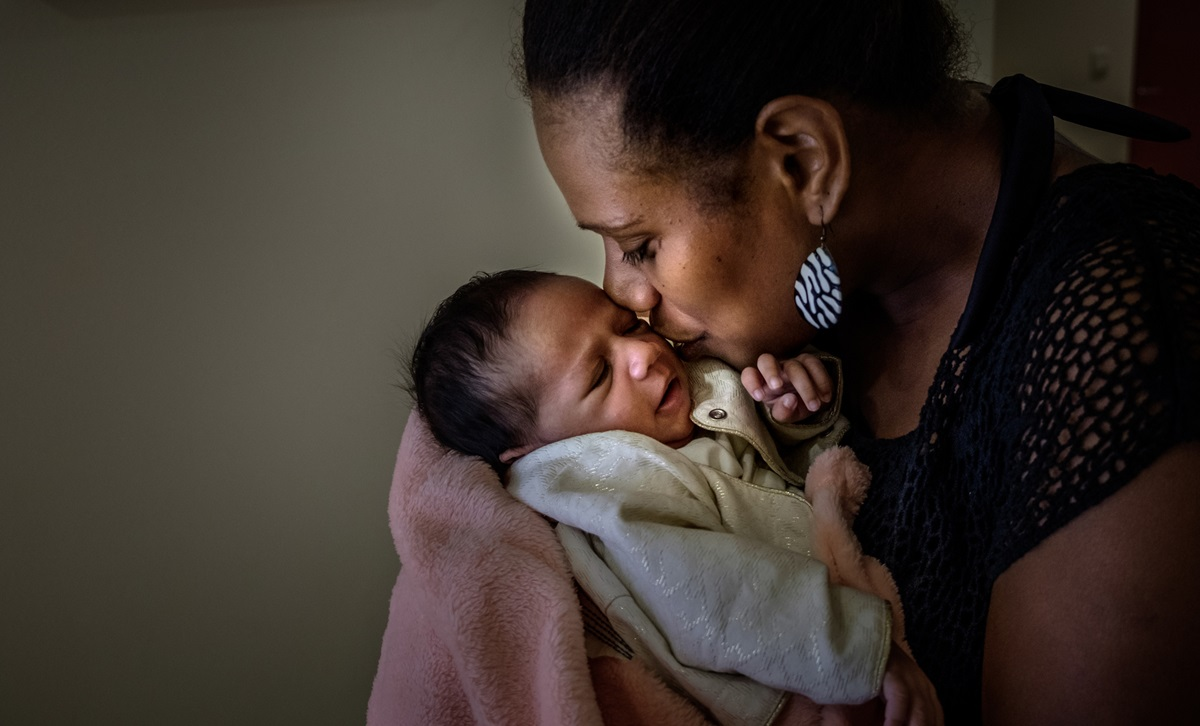
Extreme heat fueled by the climate crisis is rapidly transforming pregnancy and birth into a “fatal faultline,” exposing mothers and newborns to unprecedented, life-threatening risks.
That was the alarming warning delivered to climate decision-makers gathered in Fiji this week for a critical Pre-COP summit.
As negotiations accelerate ahead of the COP31 climate conference in Antalya, Türkiye, global leaders were presented with deeply alarming data exposing the human cost of rising global temperatures on maternal health.
According to a newly released global survey commissioned by the health foundation Wellcome, extreme heat is overwhelming maternity wards across the globe. Polling maternal health professionals across five continents, the data revealed:
-
73% reported an increase in heat-linked pregnancy complications over the past five years.
-
81% are concerned or very concerned that extreme heat will increasingly jeopardize maternal, fetal, and newborn health without urgent action.
-
98% have cared for a pregnant woman, and 99% for a baby, whose health was compromised by extreme heat.
These rising temperatures are directly linked to a surge in premature births, stillbirths, low birth weights, and severe maternal complications.
For the Pacific Islands, these global figures reflect a harsh and immediate local reality. Addressing the summit, a leading climate official noted that for island nations, the climate emergency “is no abstraction.”
Addressing the summit, UN Climate Change Executive Secretary Simon Stiell said:
“It is felt in homes, villages, farms, fisheries and clinics; in journeys for care; and in the availability and cost of food, water, power and transport.
Stiell praises Pacific climate leadership as being deeply rooted in “dignity, culture, stewardship, and community”.
“The glaring climate injustices faced by vulnerable island nations as El Niño conditions continue to intensify regional heatwaves, pregnant women in remote communities often face dangerous, prolonged journeys to medical centers that may themselves lack air conditioning, reliable power, or clean water.
“Someone working outdoors, living in unregulated housing, travelling far to a clinic, or relying on facilities without water, power or cooling, cannot be protected by advice alone.
“‘Staying cool’ is simply not an option when there is no cool place to go.”
Pointing to the planet-heating fossil fuels burned overwhelmingly by wealthy G20 economies, Stiell issued a forceful demand for global financial accountability.
“Small island developing states did practically nothing to cause this climate crisis so wealthy nations must finally deliver the $1.3 trillion needed annually to support developing nations,” he added.
Furthermore, the tripling of adaptation finance agreed upon at last year’s COP30 summit in Brazil must be rapidly deployed to build systemic resilience and clean energy grids that local clinics desperately rely upon.
To protect life “at its most fragile,” Stiell laid out a three-point survival plan for global governments:
-
Fund and Plan for Mothers: Integrate pregnancy and newborn care directly into national adaptation and heat action plans. As the speaker noted, “What is not named in a plan is too often not funded.”
-
Turn Evidence into Protection: Equip communities with clear guidance, early heat alerts, and resilient healthcare facilities powered by reliable clean energy and water systems before the next crisis hits
-
Measure the Harm: Improve data collection to track where risks are growing most rapidly, ensuring that global finance and technological support reach the most exposed communities.
The high-level meetings in Fiji, co-hosted with Australia, act as a vital launchpad for COP31.
Building on the Belém Gender Action Plan established in Brazil, the COP31 Presidency of Türkiye and Australia’s President of Negotiations were commended for making human health a central pillar of the upcoming global climate talks.
“A safe birth is already too often shaped by geography, income and access to care. Without action, extreme heat will widen that injustice.
“A changing climate must never be accepted as a reason pregnancy and birth become less safe. A newborn’s healthy start must never depend on a family’s ability to escape the heat.”
