
by Ednal Palmer
In Apia, Samoa
While the term “Loss and Damage” remains undefined under the United Nations Framework Convention on Climate Change (UNFCCC), it is widely recognized by Pacific Island countries as a climate emergency.
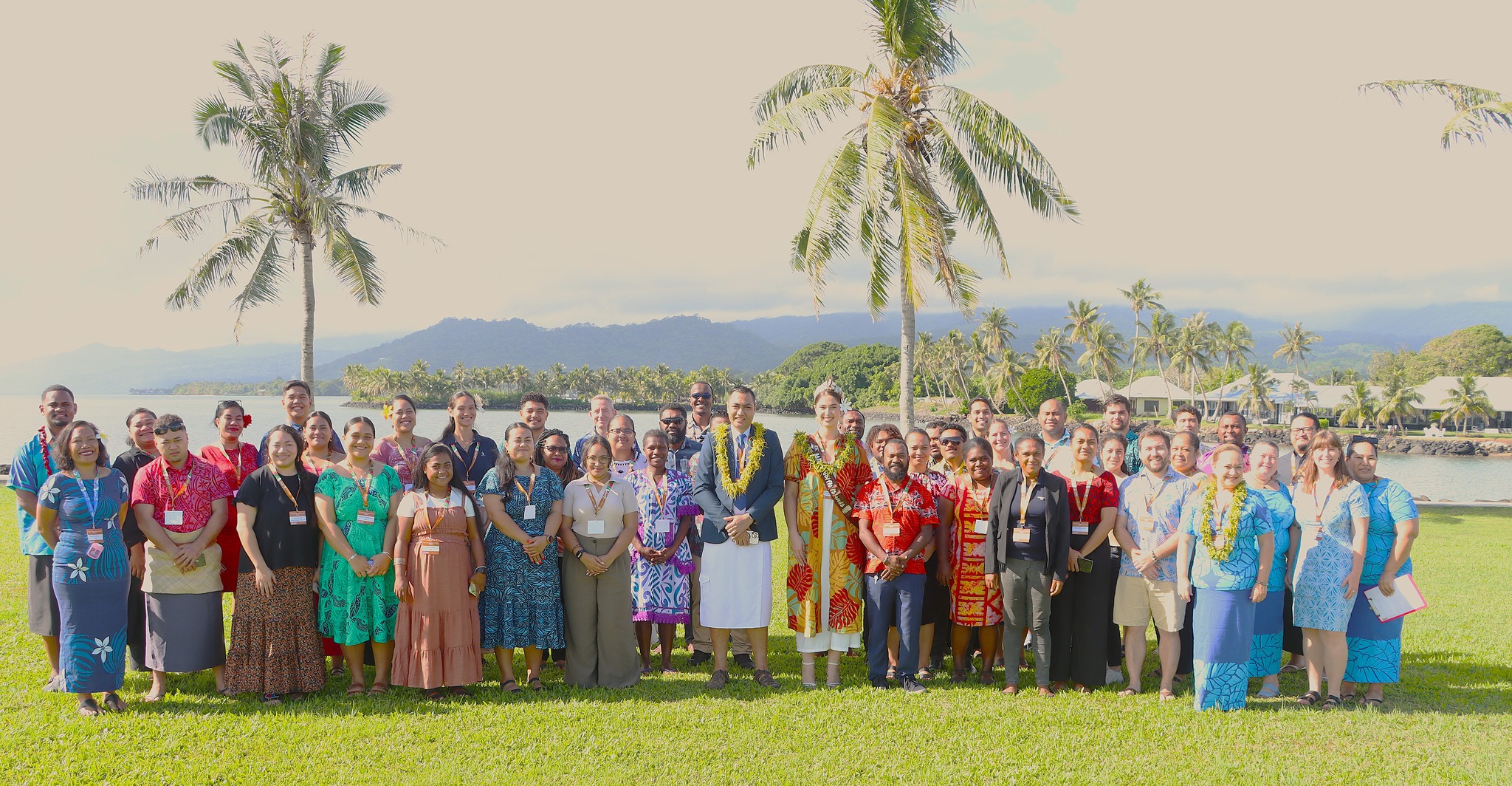
In a powerful show of unity and resilience, around 40 young climate advocates from across the Pacific have gathered in Apia, Samoa, from August 7th – 8th to share their personal stories and lived experiences of climate change under the theme of “Loss and Damage.”
The event, facilitated by the Secretariat of the Pacific Regional Environment Programme (SPREP), is part of a regional effort to amplify youth voices and foster a deeper understanding of climate justice.
Speaking to open the Pacific Youth Dialogue, Director of Climate Change Resilience at SPREP Tagaloa Cooper-Halo emphasized that although Loss and Damage is not officially defined, it is not new and has a name.
“It is defined by what you feel and experience. It has affected our Pacific Island countries for years and years—experienced by our ancestors and now by us.”
Loss and Damage are the harms caused by Climate Change that cannot be adapted to by communities, ecosystems and nations and includes both:
- Losses: Irreversible impacts such as loss of life, land, biodiversity, culture, and livelihoods.
- Damages: Reparable impacts such as destruction of homes, infrastructure, and local economies.
Understanding the concept, Youths shared that Loss and Damage is the harsh reality people in small Island states are facing daily.

“For small island states, these are not abstract concepts—they are daily realities,” Roderick Holness Rollands of the Solomon Islands said.
The gathering is a precursor to the Pacific Loss and Damage Dialogue, scheduled for 11–15 August, also in Samoa and aims to prepare youths to engage meaningfully in the upcoming discussions by grounding the concept of Loss and Damage in real, human experiences.
The participants, representing diverse Pacific communities, are using storytelling to unpack what Loss and Damage truly means at the grassroots level.
From rising sea levels swallowing ancestral lands to cyclones destroying schools and homes, each testimony contributes to a growing call for climate justice and urgent global action.

“Loss and Damage isn’t just science and statistics—it’s our reality, it’s hard to measure,” said Melissa Horokou of the Solomon Islands.
“By sharing our stories, we hope to shift the narrative and ensure that our pain and resilience are recognized on the global stage,” she added.
Building Momentum Ahead of Dialogue
The storytelling initiative aims to help youth enter the official dialogue with a strong foundation rooted in experience and empathy.
The Pacific Loss and Damage Dialogue next week will bring together policymakers, technical experts and partners to shape the region’s collective stance ahead of major global climate negotiations.
As the world continues to debate climate financing and accountability, Pacific youth are standing up—not just as future leaders, but as today’s frontline witnesses and change-makers.

You must be logged in to post a comment.