
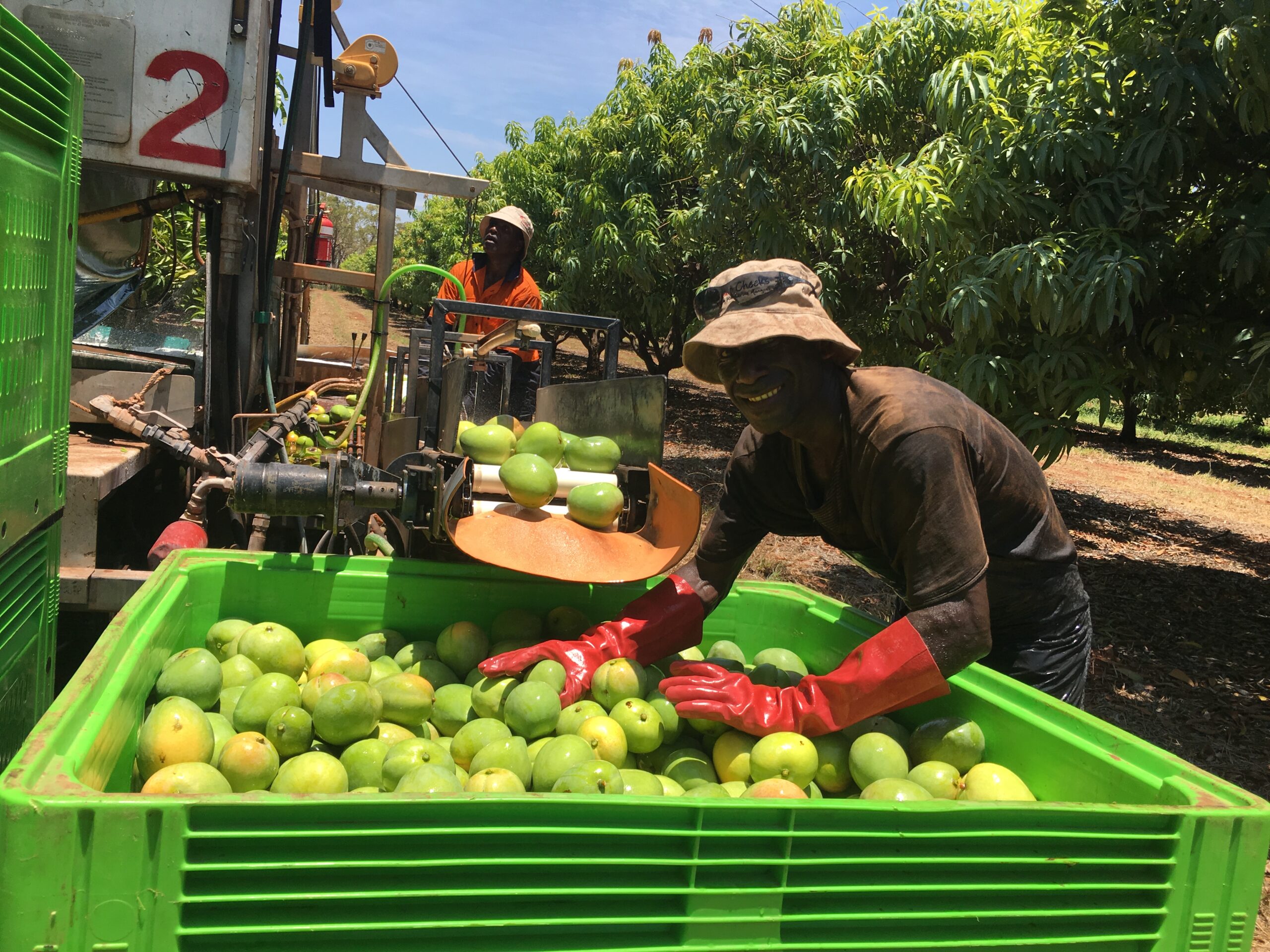
More than 13,000 Solomon Islanders are now working in Australia under the Pacific Australia Labour Mobility (PALM) scheme.
This latest figure highlights the growing demand for Solomon Island workers among Australian employers and the work of the Labour Mobility Unit (LMU) to prepare and connect workers with employment opportunities.
LMU Director Christina Maoma said the achievement was the result of years of work to strengthen recruitment, training and preparation processes.
“I am very proud we have reached this milestone,” Maoma said in a statement.
“There has been a lot of work put into preparing workers and making sure they are ready for life in Australia,” she added.
“This achievement reflects the commitment of our team, the support of the Solomon Islands Government and the dedication of Solomon Islanders who continue to represent our country well in Australia.”
Maoma said continued growth in PALM recruitment reflected employers’ confidence in the LMU and the quality of workers in its work-ready pool.
However, she said employer demand remains the key factor determining the number of workers deployed each year.
Under the PALM scheme, approved Australian employers decide how many workers they need and who they recruit.
To increase employment opportunities for Solomon Islanders, the Australian Government and LMU have introduced additional training in areas where employers have identified strong demand.
These include car and forklift driving, meat processing, hospitality and aged care.
“We are listening to the needs of employers and trying to make sure they get the workers they need,” Maoma said.
“We are doing this to increase employment opportunities for Solomon Islanders.”
Employers Praise Solomon Islands Workers
According to Maoma, the milestone follows positive feedback from a recent online engagement involving 45 approved employers from across Australia.
The session brought together existing PALM employers and businesses considering recruiting Solomon Islanders for the first time.
Employers spoke positively about their relationships with the LMU and the quality of Solomon Island workers.
Australian High Commissioner Jeff Roach said Solomon Islanders should be proud of the milestone.
“I’m not surprised to hear that Solomon Islanders have a great reputation with Australian employers,” Roach said.
“They are a credit to their country and are valued and appreciated by Australians for the important contribution they make to our economy,” he added.
Roach also highlighted the benefits of remittances sent home by PALM workers.
“I’m glad Australia is giving back by supporting workers’ families back home through record remittances,” he said.
LMU Warns Against Paying Agents
Maoma said the LMU’s centralised recruitment system was designed to maintain high standards and protect workers.
“All applications come through the LMU to ensure we maintain high standards for participant quality and attitude,” she said.
She also reminded Solomon Islanders that PALM applications are free.
“You will never be asked to pay money through any agents. You should only apply through LMU processes,” Maoma said.
Recruitment will continue from the existing work-ready pool as demand from Australian employers grows.
Maoma said the LMU hoped the milestone would lead to even more Solomon Islanders gaining opportunities through PALM.
Australia says it remains committed to supporting employment opportunities for Solomon Islanders both in Australia and at home.
Since 2021, Australia has created or supported more than 36,000 jobs for Solomon Islanders and in Solomon Islands.
