
By Georgina Maka’a
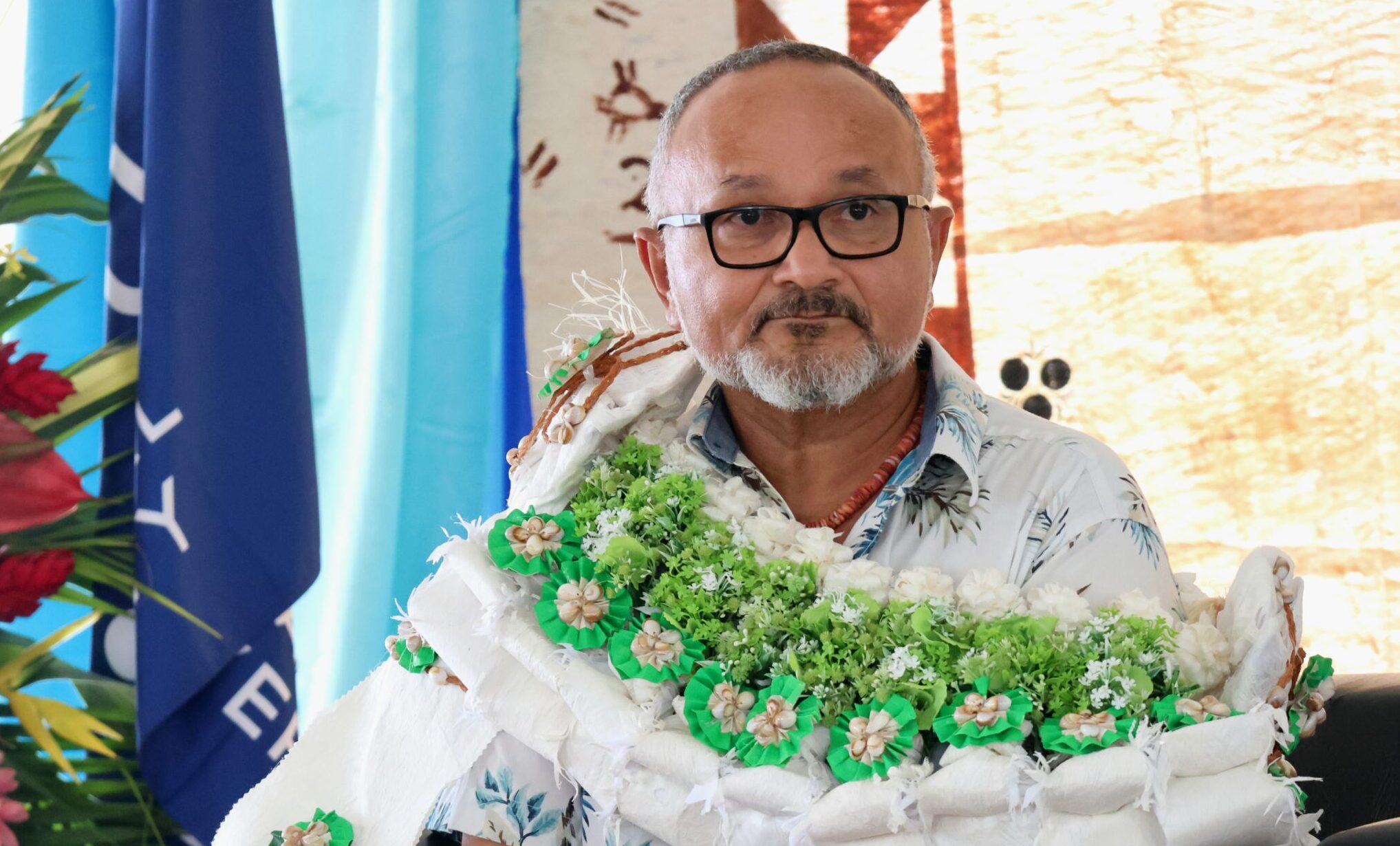
Solomon Islands Prime Minister Matthew Wale has joined heads of state, ministers, and climate envoys from across the Pacific and around the world in Antalya for the COP31 United Nations Climate Summit.
They arrived bearing a clear, unyielding mandate: translate global climate promises into immediate, accessible finance before their low-lying homelands are swallowed by rising tides.
Delegations from nations including Tuvalu, Kiribati, the Marshall Islands, Fiji, Palau, Tonga, Niue, and the Solomon Islands entered the Antalya Expo Center with an elevated diplomatic standing.

Under a dual-leadership arrangement between host nation Türkiye and Australia the official President of Negotiations the summit places the frontline of the Blue Pacific directly at the heart of the plenary negotiations.
The arrival in Antalya follows intensive preparatory meetings held across the Pacific, including high-level gatherings in Nadi, Fiji, and the low-lying atolls of Tuvalu.
Those talks resulted in the Taku Pakasoa Declaration and the ocean-focused Belau Declaration, establishing a unified regional stance that highlights the critical ocean-climate nexus as Pacific leaders bring their priorities to the bargaining table.
For these delegations, the journey across hemispheres is an existential errand rather than routine diplomacy.
With several atoll nations sitting less than two meters above sea level, delegates stressed that international deliberations can no longer afford procedural delay or vague pledges.
Pacific leaders have outlined three non-negotiable pillars for COP31: first, securing direct, grant-based financing through mechanisms like the Pacific Resilience Facility (PRF) rather than debt-creating loans, ensuring that Pacific-led disaster preparedness and community resilience funds remain solvent and accessible.
Second, defending the 1.5-degree Celsius threshold by insisting that major emitting nations present concrete, enforceable Nationally Determined Contributions to prevent catastrophic warming scenarios.
Third, operationalizing Loss and Damage mechanisms to accelerate payouts from the Loss and Damage Fund, directly addressing the irreversible territorial and cultural losses caused by ocean acidification and king tides.
Because Australia serves as the COP31 President of Negotiations, Pacific leaders hold rare institutional leverage inside the negotiating rooms.
As the high-level World Leaders Summit opens this week, Pacific envoys have made it clear that they will not accept compromised language that treats adaptation as optional.
In the opening plenary corridors, the prevailing message from Oceania is unmistakable: as highlighted by regional leaders including Secretariat of the Pacific Regional Environment Programme (SPREP) Director General Sefanaia Nawadra, the Pacific is not visiting Antalya merely to testify to its own vulnerability, but to steer global climate governance toward accountability and real-world survival.
