
Solomon Islands has rejoined the Extractive Industries Transparency Initiative (EITI), the global framework designed to make the management of a country’s oil, gas and mining resources more transparent and accountable.
The move, according to the United Nations Development Programme (UNDP), marks an important step in the country’s efforts to strengthen transparency, accountability and governance of its natural resources.
“We congratulate the Government and people of Solomon Islands on the milestone,” a statement UNDP issued said.
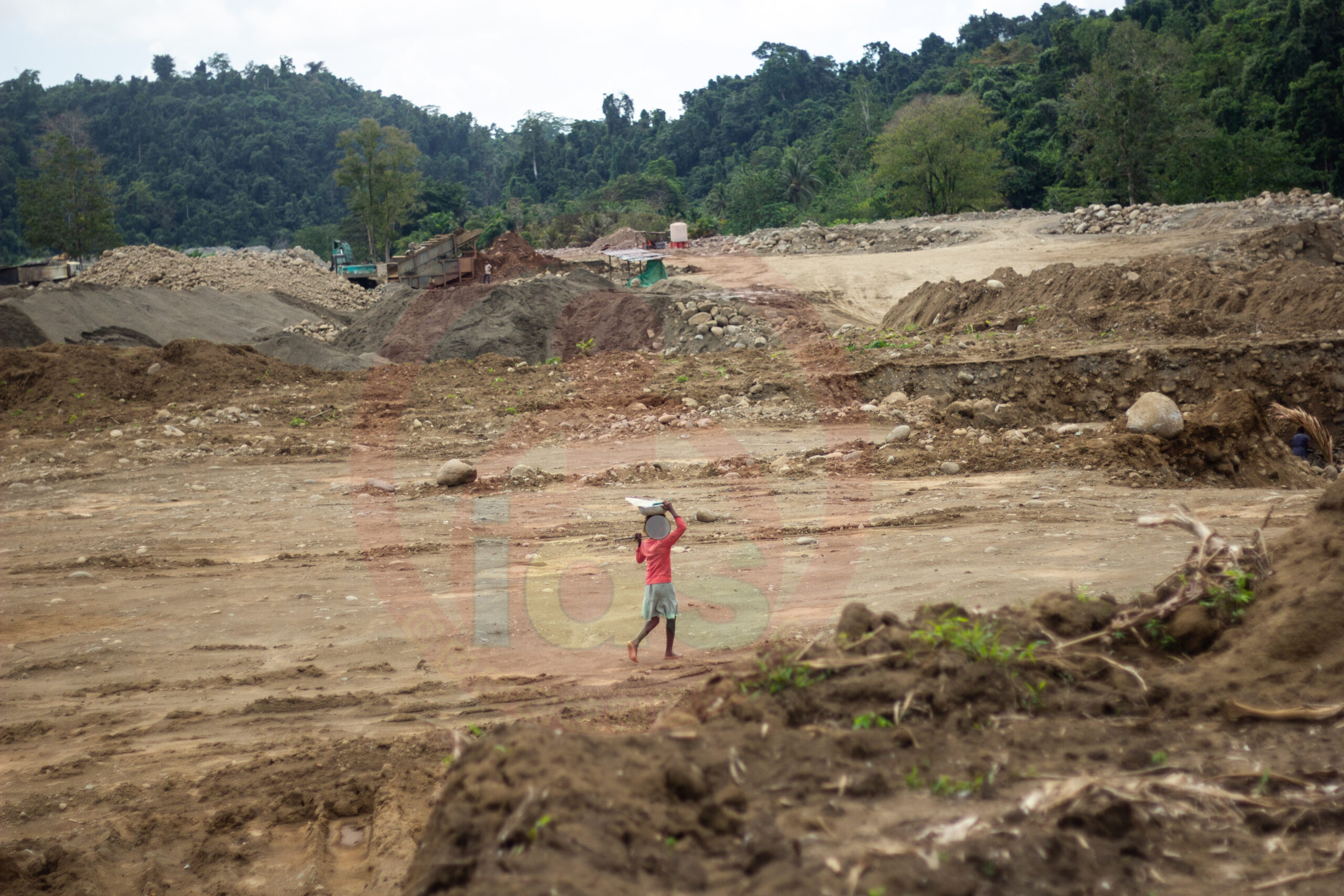
“This step comes as the country’s mining sector is expected to play a growing role in economic diversification, public revenue and employment,” the statement added.
“Gold and nickel projects, including Gold Ridge and Kolosori, are contributing to the expansion of the sector.”
UNDP and other partners supported Solomon Islands to rejoin EITI, after the then Sogavare government severed the country’s membership in June 2018.
The reasons given then was that the extractive sector had become relatively inactive and that the government was reforming the mining laws.
Minister of Finance and Treasury, Rexon Ramofafia, said rejoining the EITI reflected the Government’s commitment to ensuring the development of Solomon Islands’ mineral resources was transparent, accountable and beneficial to the people.
“As investment and production increase, we want citizens to have confidence in how the sector is managed and how revenues are collected and used,” Ramofafia said.
“The EITI provides an important framework for government, industry and civil society to work together towards that goal,” he added.
Ramofafia said recent work undertaken as part of Solomon Islands’ EITI re-engagement identified both opportunities and challenges as the sector develops.
These include the need for reliable production and revenue data, stronger oversight and coordination, and continued improvements in systems for managing information.
“These issues have direct implications for development,” Ramofafia said.
“Reliable information can help government institutions strengthen revenue collection, improve public financial management and make better-informed policy decisions.
“Greater transparency can also support responsible investment and give communities a stronger basis for participating in discussions about the management of natural resources.”
UNDP Pacific Resident Representative Munkhtuya Altangerel said Solomon Islands’ return to EITI presented an important opportunity to connect transparency with stronger institutions and better development outcomes.
“Solomon Islands’ return to the EITI comes at a defining moment for the country’s development,” Altangerel pointed out.
“As the mining sector grows, the quality of the institutions that govern natural resources will be just as important as the resources themselves,” she added.
“The EITI provides Solomon Islands with an important platform to strengthen public institutions, improve access to reliable information, support informed decision-making and ensure that the benefits of natural resource development can contribute to inclusive and sustainable development.”
Altangerel said a central feature of the EITI is its multi-stakeholder approach, bringing government, industry and civil society together around shared information and dialogue.
“For Solomon Islands, this provides a platform to strengthen participation in decisions concerning a sector closely connected to land, communities and livelihoods.
UNDP-supported work has also brought together government institutions, civil society, companies, women leaders, youth and community representatives to examine governance risks, strengthen participation and identify areas for improved coordination and information sharing.
Solomon Islands’ return to the EITI has been supported by the Government of the United Kingdom, through funding to UNDP for technical assistance to the Solomon Islands Government.
The support has helped national stakeholders strengthen institutional capacity, undertake technical and policy analysis, facilitate multi-stakeholder engagement and prepare for renewed EITI implementation.
British High Commissioner Paul Turner said the initiative could help Solomon Islands strengthen revenue collection and exports.
“EITI can support Solomon Islands in strengthening its revenue collection and exports,” Turner said.
“It is a win-win-win: for Government, local communities and mining companies, which will have greater export markets,” he added.
“The achievement reflects the leadership of the Solomon Islands Government, the Solomon Islands EITI National Secretariat, the National Stakeholders Group, civil society, industry and other national institutions, with technical engagement from the EITI International Secretariat and support from development partners.”
As Solomon Islands moves into the next phase of implementation, the focus will be on translating disclosure into stronger institutions, informed public dialogue and better development outcomes.
UNDP will continue to support Solomon Islands and national partners in advancing transparent, accountable and inclusive governance of the country’s natural resources.
