
by Georgina Maka’a
A medical study conducted into penis enlargement practices in Solomon Islands has found men doing that were motivated by the desire for increased length, to please their sexual partners, and increase their penile girth.
The findings were recently published in the Journal of Urology, a leading international peer-reviewed medical publication in the field of urology.
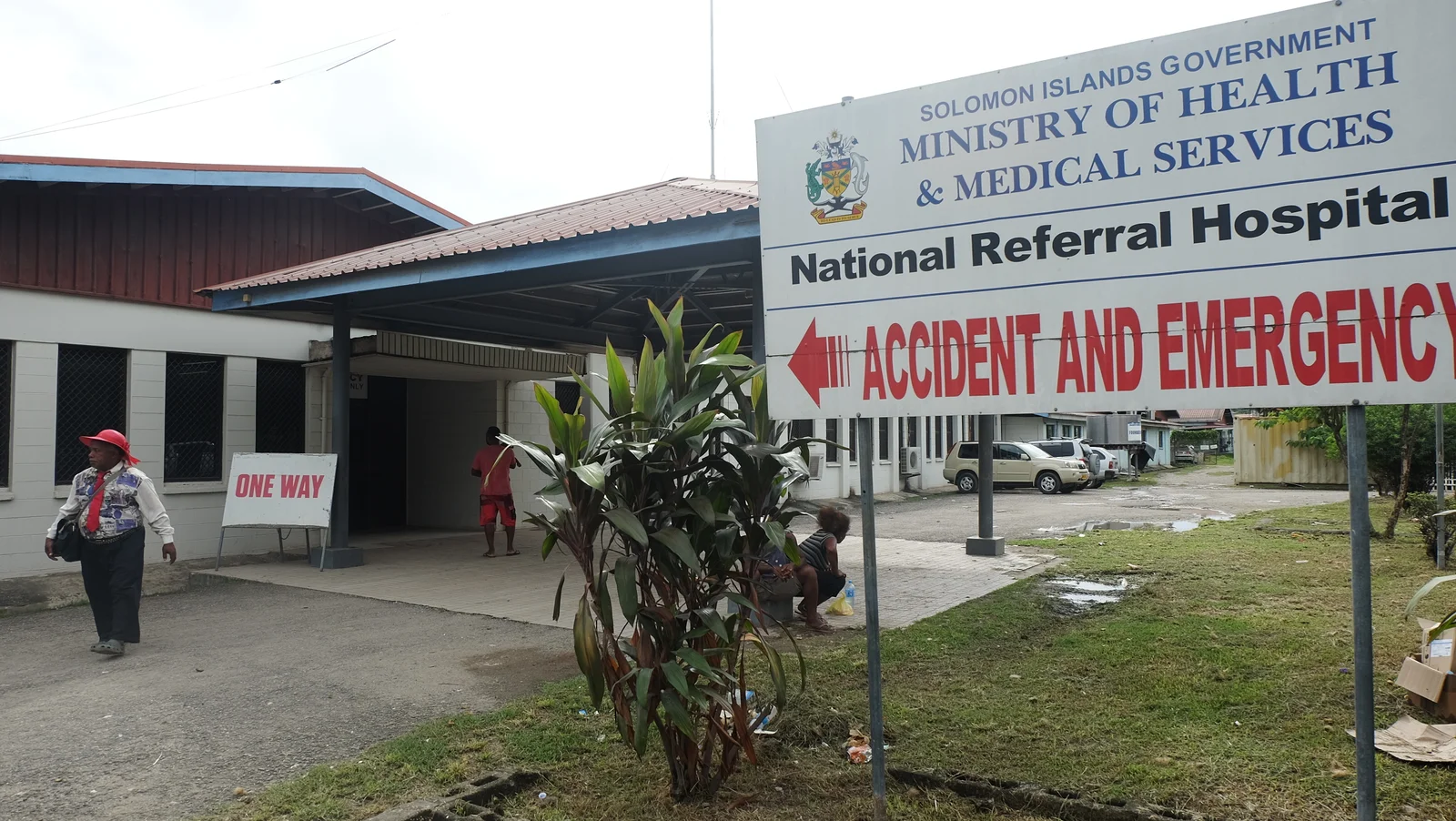
The study found alarming health risks associated with the growing practice of non-medical penile enhancement, with hundreds of men requiring corrective surgery at the National Referral Hospital (NRH) in recent years.
The study analyzed cases of men who injected paraffin-based substances — such as baby oil — into their genitals in an attempt to increase size and length.
But researchers found that the practice often leads to serious complications, including disfigurement, infection, erectile dysfunction, and long-term pain.
Between April 2020 and December 2023, the NRH recorded 232 corrective surgeries linked to complications from these injections.
90% of procedures were performed in the minor theater, while 10% were performed in the major theater.
Penile paraffinoma-related complications (medical problems that result from injecting oil into the penis) comprised 5% of all minor surgeries within the study period.
The study said the most common corrective procedures were circumcision (16%) and dorsal slit (a small surgical cut made along the upper [top] side of the penis foreskin) 72%.
Seven patients underwent V-Y plasty with scrotal flap/skin graft – a surgical technique to lengthen or release tight skin.
The study said most of the patients were young men, with a median age of just 24 years, though cases ranged from as young as 14 to as old as 80.
Lead Solomon Islands researcher Dr Rooney Jagilly, together with colleagues from the United States and Australia, said the findings highlight an urgent health issue that is straining the country’s already limited surgical resources.
“Many young men are putting their health and futures at risk through unsafe practices performed outside of medical settings,” the study noted.
“In the absence of urological specialists in Solomon Islands, these cases pose serious challenges for general surgeons at NRH.”
The study revealed that 97% of men who underwent the procedure were motivated by the desire for increased penile girth, 91% for length, and 89% in hopes of pleasing their sexual partners.
Alarmingly, 94% of the injections were carried out by non-medical personnel, often in unsterile environments.
Baby oil was the most commonly used substance, with 85% of patients reporting it as their injectant of choice.
More than a quarter of participants admitted they were unsure whether the needles used were sterile.
The medical consequences were severe.
Nearly all patients (96%) reported deformation, 97% experienced swelling, and 88% developed permanent hardening of the penis or scrotum.
Over 60% said they continued to suffer ongoing pain, while many also faced permanent erectile and orgasmic dysfunction.
“Non-medical penile augmentation may result in permanent deformity and loss of function, severely impacting patients’ lives,” the researchers concluded.
The study also urged further research to understand the scale of the practice in Solomon Islands, and called for public awareness campaigns to warn men of the dangers.
“This is not just a medical issue,” one of the researchers said. “It is a public health and education issue that requires urgent action.”
Despite the harm often resulting from the practice, a private medical doctor operating in the Western Province reported seeing more than 10 teenagers suffering from complications after attempting to enlarge their penis this year.
Dr Hendrick Kaniki Kuboto, Director of GP Private Clinic at Noro, told the Solomon Star newspaper the cases he attended to were self-administered or performed by untrained individuals.
“These procedures often involve injecting baby oil, silicone, or other foreign substances directly into the penis,” Kaniki was quoted as saying.
“We are seeing painful swelling, infections, and tissue damage. In severe cases, patients face permanent disfigurement—and in the worst-case scenarios, amputation,” he added.
Kaniki, who opened his clinic only recently this year, said the practice has been going on for sometime.
“The rise in such cases is very concerning. It reflects a serious lack of awareness about the risks involved.
“These are not being done by health professionals, but by those who have no understanding of the male anatomy or the dangers of what they’re doing,” he said.
He noted that embarrassment often causes victims to delay seeking treatment, worsening their condition by the time they see a doctor or nurse.
“Some of the more severe cases had to be referred to the National Referral Hospital (NRH) in Honiara,” he added.
Kaniki said peer pressure plays a major role, as young men are influenced by friends or social circles that promote the procedure as a way to enhance sexual performance or boost self-confidence—despite lacking any scientific or medical basis.
“Many don’t realize that substances like baby oil and silicone block blood flow, which is essential for normal erectile function,” he explained.
“They only see temporary enlargement but ignore the long-term damage,” he added.
