
CAIRNS, Australia — Regional lawmakers, regulators, and advocates have taken a decisive stance against the illegal logging networks harming Melanesia, transitioning from dialogue to direct enforcement.
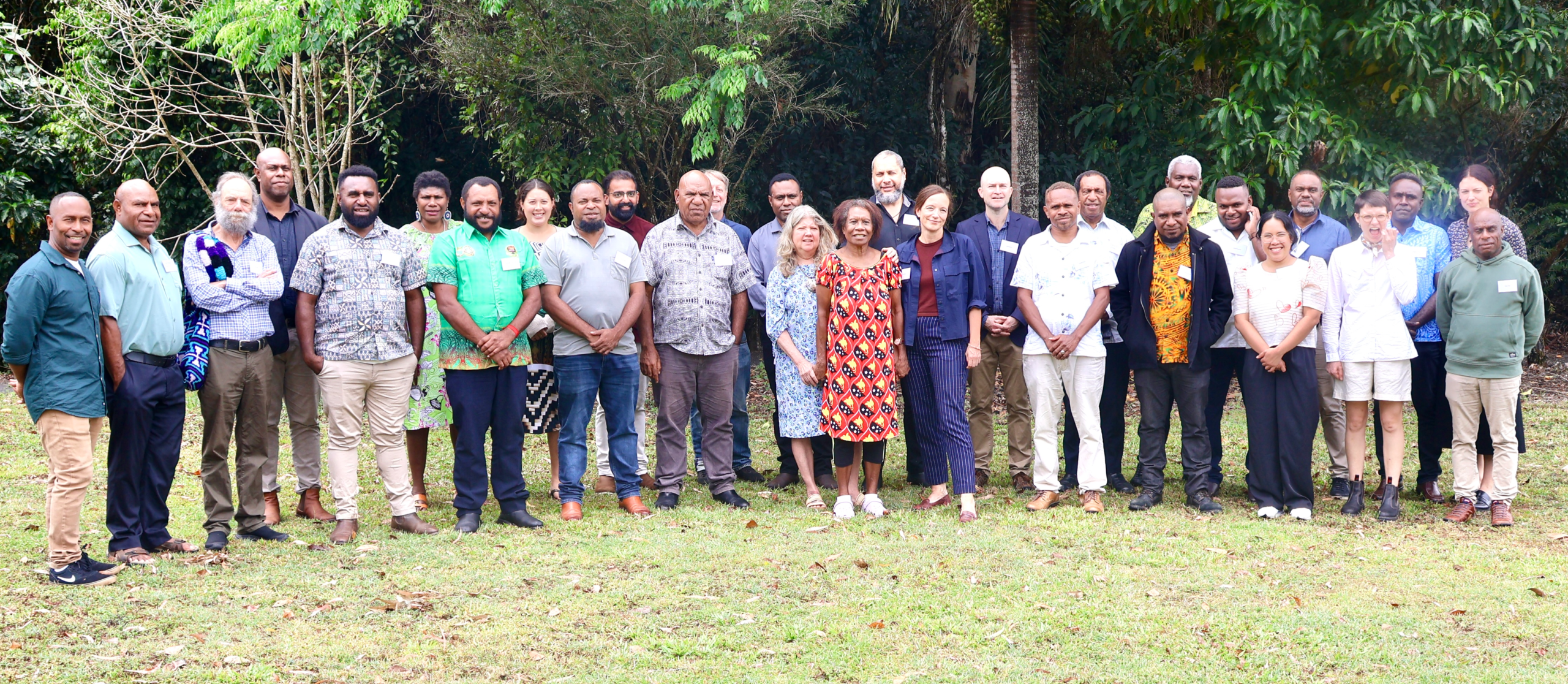
During the third Asia Pacific Forests Crime Network (APFCN) gathering at James Cook University in Cairns from last week, thirty-five specialists gathered to confront the root causes of illegal logging, placing a primary focus on the Solomon Islands and PNG.
The gathering, held in collaboration with the Cairns Institute and organised by Jubilee Australia, focused heavily on turning years of regional learnings into actionable strategies.

Prominent Papua New Guinea leader Gary Juffa, MP, Oro Province Governor and Chair of the Special Parliamentary Committee on Public Sector Reform and Service Delivery, issued a critical warning regarding the state of PNG’s timber industry during the summit.
Highlighting critical issues in resource oversight, Juffa drew attention to severe deficiencies in national tracking mechanisms.
“I want to talk about the biggest gap of all: for more than thirty months, PNG has not been able to see its own log exports,” Governor Juffa said.
With his committee’s 2026 report now before Parliament, Juffa issued a direct call to the experts in attendance to join a special panel convening later this year.

“My committee has done its work. Parliament has the report. What happens next depends on whether the people who understand this sector best are prepared to stand up and be counted,” he said. “I hope, when we sit in November, that some of you will be sitting with us.”
Established in 2024, the APFCN has grown into a vital cross-sector alliance aimed at combating the financial crimes and illicit supply chains associated with the logging industry.

For Pacific nations grappling with the loss of their natural resources, the network provides a crucial mechanism to bridge the gap between local legislation and transnational enforcement.
Bradley Likaveke Dalipanda, a legal practitioner with Pacific Sustain Law in the Solomon Islands, emphasized the necessity of empowering local policy researchers to defend their ecosystems.
“The recently concluded APFCN… has provided a vital platform for addressing the complex, transnational networks driving illegal logging, financial crime, and environmental degradation across Melanesia,” Dalipanda said. “From this legal vantage point, aligning our ongoing domestic legislative reforms with regional enforcement networks is paramount to safeguarding the resource sovereignty of the Solomon Islands.”
Over the course of the two-day summit, delegates participated in targeted workshops addressing financial forensics, information oversight failures, and strategies for embedding investigative findings and local community experiences into statutory mechanisms.

Mahealani Delaney, Director of the Tropical Forest Program at the Jubilee Australia Research Centre, noted that the network has officially entered a new phase of operation.
“Last year’s APFCN came together to understand the issues at play and the challenges facing both countries,” Delaney explained. “This year we moved forward into action, with knowledge-holders from PNG, SI, and Australia committing to share knowledge, strengthen advocacy and map concrete steps to reduce forest crime.”
With global market pressures continuing to strain Melanesian timber reserves, the regional alliance’s shift toward direct enforcement could mark a pivotal moment in safeguarding the Pacific’s natural resources and economic independence.
