
by Ednal Palmer
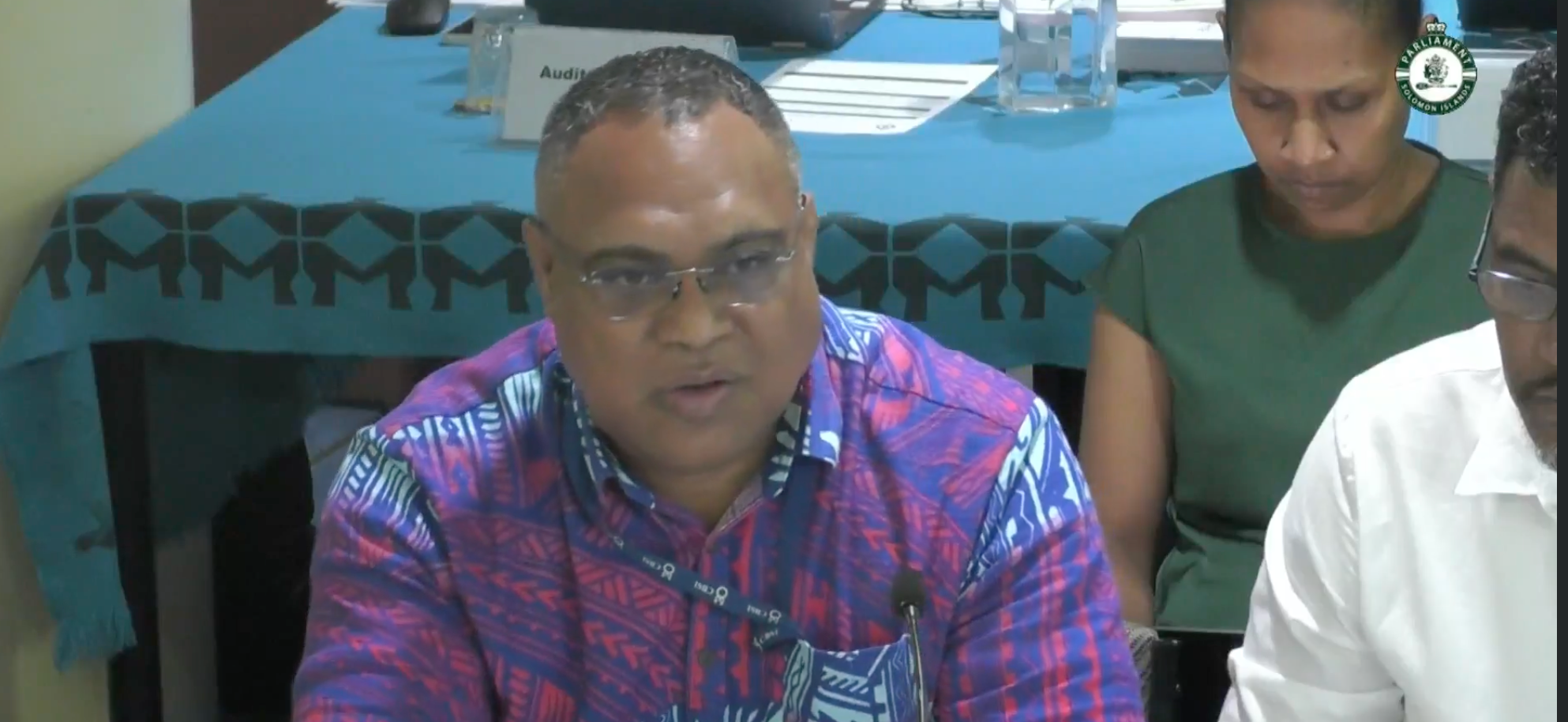
The Governor of the Central Bank of Solomon Islands (CBSI), Dr. Luke Forau, has cautioned that the country is unlikely to graduate from its Least Developed Country (LDC) status as scheduled, citing weak development progress and ongoing economic challenges.
Appearing before the Public Accounts Committee (PAC) in Parliament, Dr. Forau said the nation’s current development trajectory does not support a successful transition out of the LDC category.
“In my humble view, I don’t think we will graduate, given the development trajectory that we are in at the moment,” he told the committee during CBSI’s briefing on the country’s economic performance and the government’s proposed 2026 budget.
The Solomon Islands is currently expected to graduate from LDC status on December 13, 2027, following a three-year extension granted by the UN General Assembly in 2023.
The extension came after the government argued that multiple crises—including the COVID-19 pandemic, the 2021 civil unrest, climate impacts, and global geopolitical instability—had derailed national preparations.
Originally slated to graduate in 2024, the government sought the extension through a formal request by then–Foreign Minister Jeremiah Manele to UN Secretary-General António Guterres.
UN assessments later recommended the additional preparatory period, which the General Assembly endorsed.
In response, the Solomon Islands Government adopted a Smooth Transition Strategy (STS) in April 2025 to help manage the shift away from LDC status.
The strategy was developed in partnership with government ministries, development partners, and the private sector, and is intended to safeguard the country from economic shocks that may follow the loss of LDC-specific international support.
The government maintains that graduation remains a national priority but must be achieved in a way that is “sustainable, irreversible, and resilient,” especially given the country’s post-conflict context and narrow economic base.
However, Dr. Forau’s remarks reflect growing concern that, despite the extended timeline, the country may still be unprepared.
