
By Georgina Maka’a
Despite progress in recent years, women in Solomon Islands continue to face significant barriers in reaching senior leadership and decision-making positions, according to Permanent Secretary of the Ministry of Women, Youth, Children and Family Affairs (MWYCFA), Aaron Pitaqae.
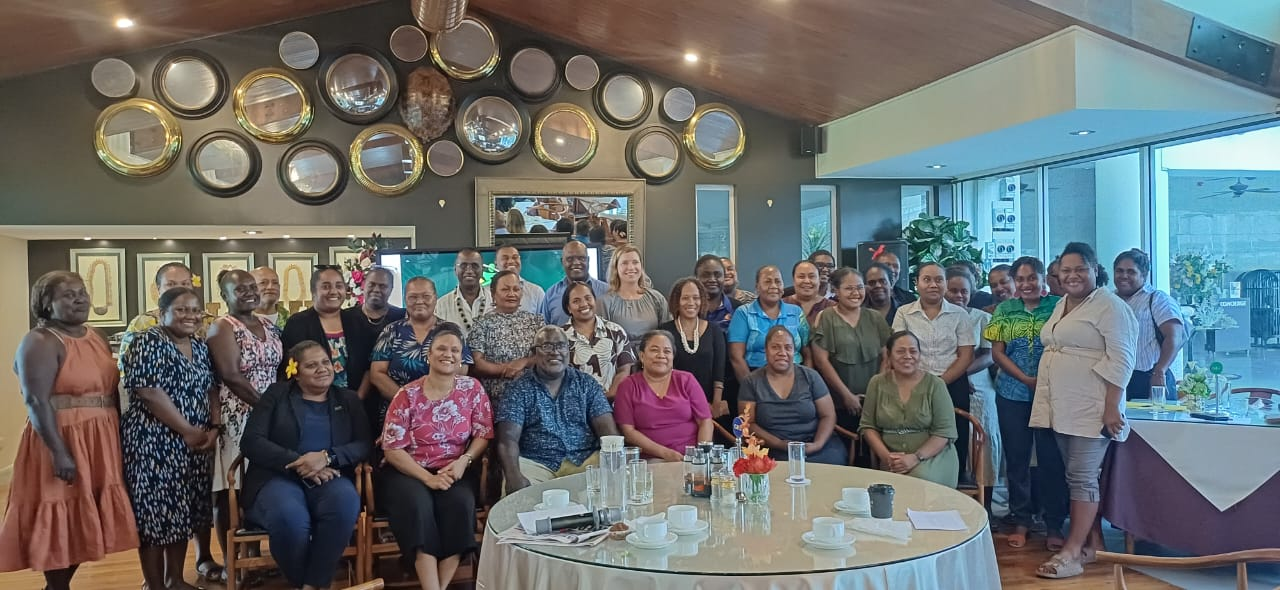
Pitaqae made the remarks during the Women Connect Breakfast – Panel Discussion and Networking Event hosted by Women in Executive Leadership Solomon Islands (WELSI) recently.
He identified four major challenges limiting women’s advancement into leadership roles: structural barriers, gender stereotypes, work-life balance pressures, and limited access to mentorship and professional networks.
Pitaqae said many institutions and systems were historically created by men and continue to reflect structures that make it difficult for women to advance.
“Certain interpretations of religious texts emphasise submission and servitude for women, reinforcing the idea that women should not hold authority over men,” he said.

He also highlighted persistent gender stereotypes that continue to question women’s leadership abilities despite their qualifications and experience.
“Women often encounter unfair treatment and scepticism despite possessing the necessary qualifications and skills,” he said.
Pitaqae said expectations around caregiving responsibilities also placed additional pressure on women, often affecting their career progression.
“The expectation that women should balance both work and family can cast shadows on their ambitions,” he said.
Another major challenge, he said, was the limited access women have to mentorship opportunities and professional networks that often support career advancement.
“Men often benefit from connections that women simply do not have. Career advancement doesn’t happen in a vacuum. It happens in hallways, social gatherings and closed-door mentorship sessions,” he said.
Pitaqae said MWYCFA had introduced its Affirmative Action Strategy (2022–2027) to accelerate women’s participation in leadership and decision-making.
The strategy includes advocating for Temporary Special Measures to increase women’s representation in Parliament, establishing a database of women professionals, and promoting Gender Equality, Disability and Social Inclusion (GEDSI) across sectors.

He acknowledged that progress was being made, with more women now occupying senior positions, including chief executive officer, permanent secretary and deputy secretary roles.
However, Pitaqae said more needed to be done to create supportive environments for women both in the workplace and at home.
He called for stronger mentorship programmes, continued advocacy for gender equality in decision-making bodies, and greater collaboration between government and the private sector.
“Promoting women into higher decision-making roles is not just a matter of fairness but a strategic necessity,” he said.
“Governments and organisations must recognise that women’s participation can have a positive impact.”
The event was held under the theme: “Challenges and Opportunities of Advancing Women into Higher Decision-Making and Executive Leadership Roles.

You must be logged in to post a comment.