
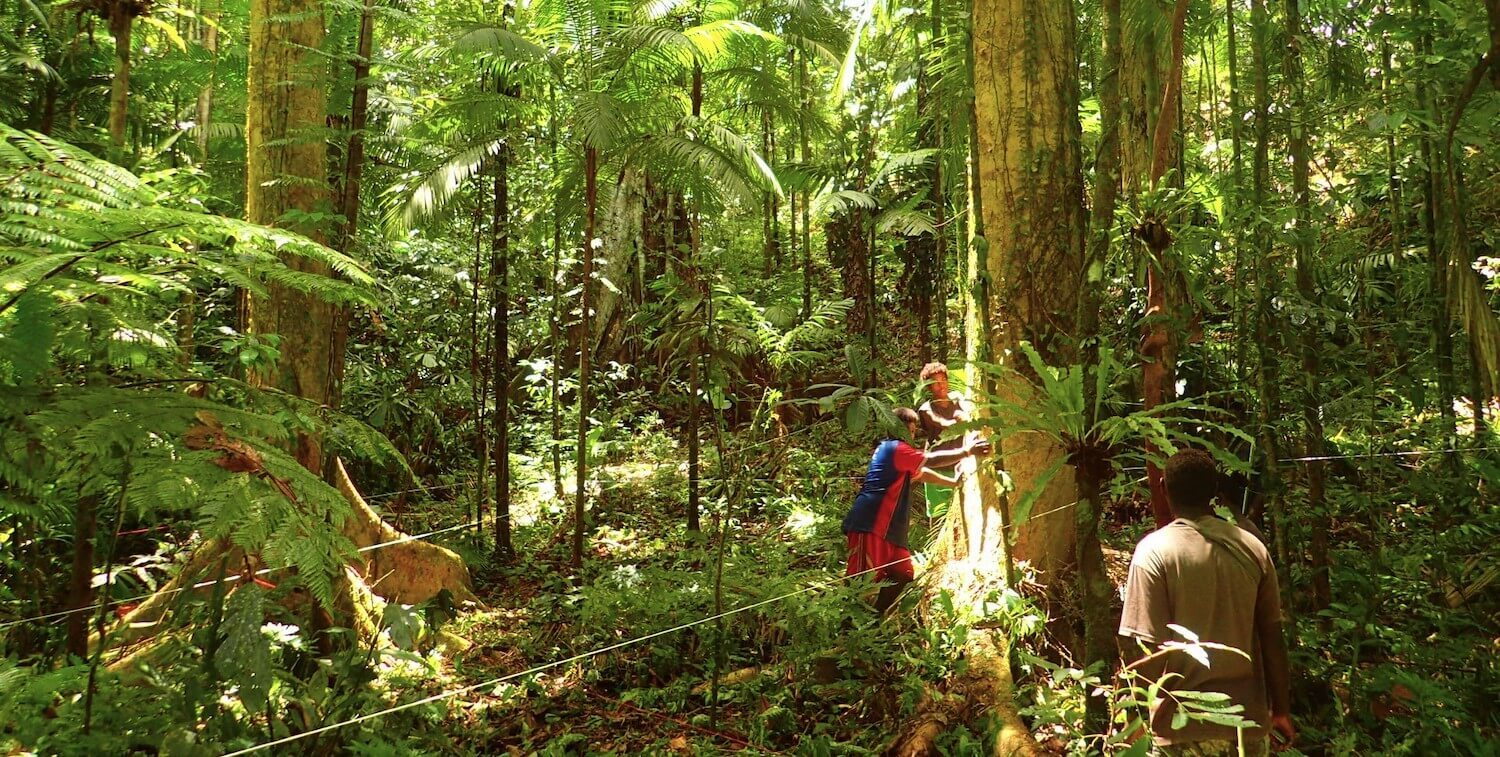
The Solomon Islands Ministry of Forestry and Research is accelerating a comprehensive reform package aimed at transitioning the nation’s most critical economic sector toward long-term sustainability.
Forestry currently serves as a vital pillar for the Solomon Islands, accounting for 20% of government revenue and a staggering 60% of all export earnings. Beyond finance, the sector sustains approximately 10,000 jobs, representing roughly 20% of total national employment.
To bring the industry into the 21st century, the Cabinet has officially approved the Draft Forestry Amendment Bill 2025, which is now moving to the Bills and Legislation Committee for review. This legislative update is designed to align local harvesting practices with modern international environmental standards and ensure the protection of the archipelago’s biodiversity.
A key shift in national strategy is the upcoming Downstream Processing and Value-Adding Policy, expected to launch in April 2026. This policy marks a move away from the traditional export of raw logs, instead incentivizing local manufacturing and processing. By creating finished or semi-finished wood products within the country, the government aims to retain a higher share of the industry’s profits and create more skilled local jobs.
Looking toward the global green economy, the Ministry is developing a National Carbon Trading Policy. Scheduled for release in late 2026 or early 2027, this framework will allow the Solomon Islands to monetize its standing forests by participating in international carbon markets. This initiative provides a financial alternative to logging, rewarding the preservation of forest ecosystems.
Alongside these new policies, the Ministry is tightening its oversight of existing operations. This includes:
-
Rigorous inspections of annual harvesting plans to prevent over-logging.
-
Strict enforcement of logging codes of practice to protect soil and water quality.
-
Continuous monitoring of compliance with all national forestry legislation.
Permanent Secretary Richardson Raomae emphasized that these changes are about securing the nation’s legacy, stating, “These reforms will support long-term economic development and ensure our forests remain a renewable resource for future generations”.
