
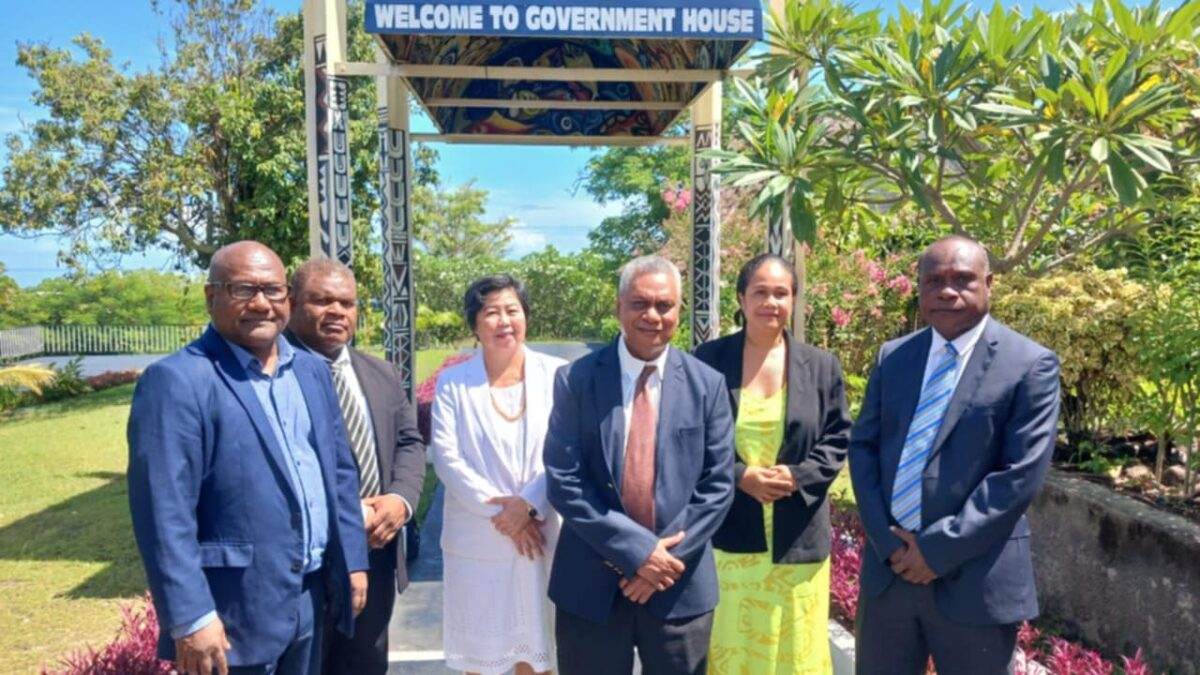
Transparency Solomon Islands (TSI) has expressed serious concern over the continued operational paralysis of the Solomon Islands Independent Commission Against Corruption (SIICAC), despite the formal appointment of its commissioners.
Established under the Anti-Corruption Act 2018, SIICAC is the country’s apex independent anti-corruption body, created to strengthen governance, uphold the rule of law, and safeguard democratic accountability. Its formation marked a significant milestone in Solomon Islands’ institutional reforms and its commitment to building a robust national integrity system.
Under the law, SIICAC comprises six members appointed by the Governor-General, including a Chairperson, Deputy Chairperson, and four Commissioners. The Commission is mandated not only to investigate corruption but also to determine appropriate action following investigations, prosecute corruption offences (with the consent of the Director of Public Prosecutions), prevent corruption through statutory functions, and provide oversight and direction to its executive leadership.
However, although commissioners have been appointed, meetings of the Commission have reportedly not been convened. The delay has been attributed to the absence of a Director-General. TSI argues that this justification is weak, noting that the previous Commission convened meetings and progressed key administrative matters — including recruitment of a Director-General — even before that position was filled.
As a result, cases that have already been investigated remain pending, awaiting formal endorsement and processing. Nearly a year after appointments were made, the prolonged absence of leadership and regular meetings has left the Commission effectively incapacitated and unable to discharge its statutory responsibilities.
Implications for National Integrity
TSI warns that the continued inoperativeness of SIICAC carries significant implications:
-
Allegations of corruption remain unresolved.
-
Deterrence against corrupt conduct is weakened.
-
Public trust in oversight institutions declines.
-
Governance risks deepen, potentially leading to democratic backsliding.
-
International confidence in Solomon Islands’ institutional integrity may be affected.
The organization stresses that an anti-corruption commission that exists in law but is not operational in practice creates a serious gap within the country’s integrity framework. Preventive messaging alone, it argues, is insufficient without effective enforcement mechanisms.
Broader Governance Concerns
During the recent launch of the Corruption Perceptions Index (CPI), TSI highlighted wider concerns around electoral integrity, political finance transparency, and public accountability. International assessments — including the World Bank’s Country Policy and Institutional Assessment and the Global Corruption Barometer Pacific — have consistently pointed to governance vulnerabilities that require sustained institutional strengthening.
The CPI, TSI notes, reflects not only business perceptions but also the credibility and effectiveness of oversight institutions. When key bodies are not fully functional, corruption risks increase and public confidence declines.
Government Reform Efforts
TSI commended the Government for National Unity and Transformation (GNUT) for allocating SIICAC a separate, dedicated budget line in the 2026 National Budget, removing it from the Office of the Prime Minister and Cabinet. This reform is viewed as a positive step toward enhancing institutional independence and aligns with the government’s stated commitments to transparency, accountability, and the rule of law.
However, TSI cautions that budgetary independence alone is insufficient. Without timely appointments, active leadership, and regular Commission meetings, SIICAC cannot effectively fulfil its mandate.
A Call for Full Operationalisation
Transparency Solomon Islands maintains that institutional credibility depends on functionality, not merely legal existence. For SIICAC to meet its obligations under the Anti-Corruption Act 2018, it must:
-
Appoint and empower its leadership.
-
Convene regular statutory meetings.
-
Ensure operational autonomy.
-
Be adequately resourced to investigate, deter, prosecute, and prevent corruption.
“Solomon Islands deserves integrity institutions that function not only on paper but in practice,” TSI stated, adding that citizens have the right to see corruption addressed, justice upheld, and national development protected.
The organization concluded that strengthening SIICAC — alongside other oversight institutions — is essential to maintaining public trust and safeguarding democratic governance.
“The time for implementation is now. Solomon Islands deserves nothing less.”