
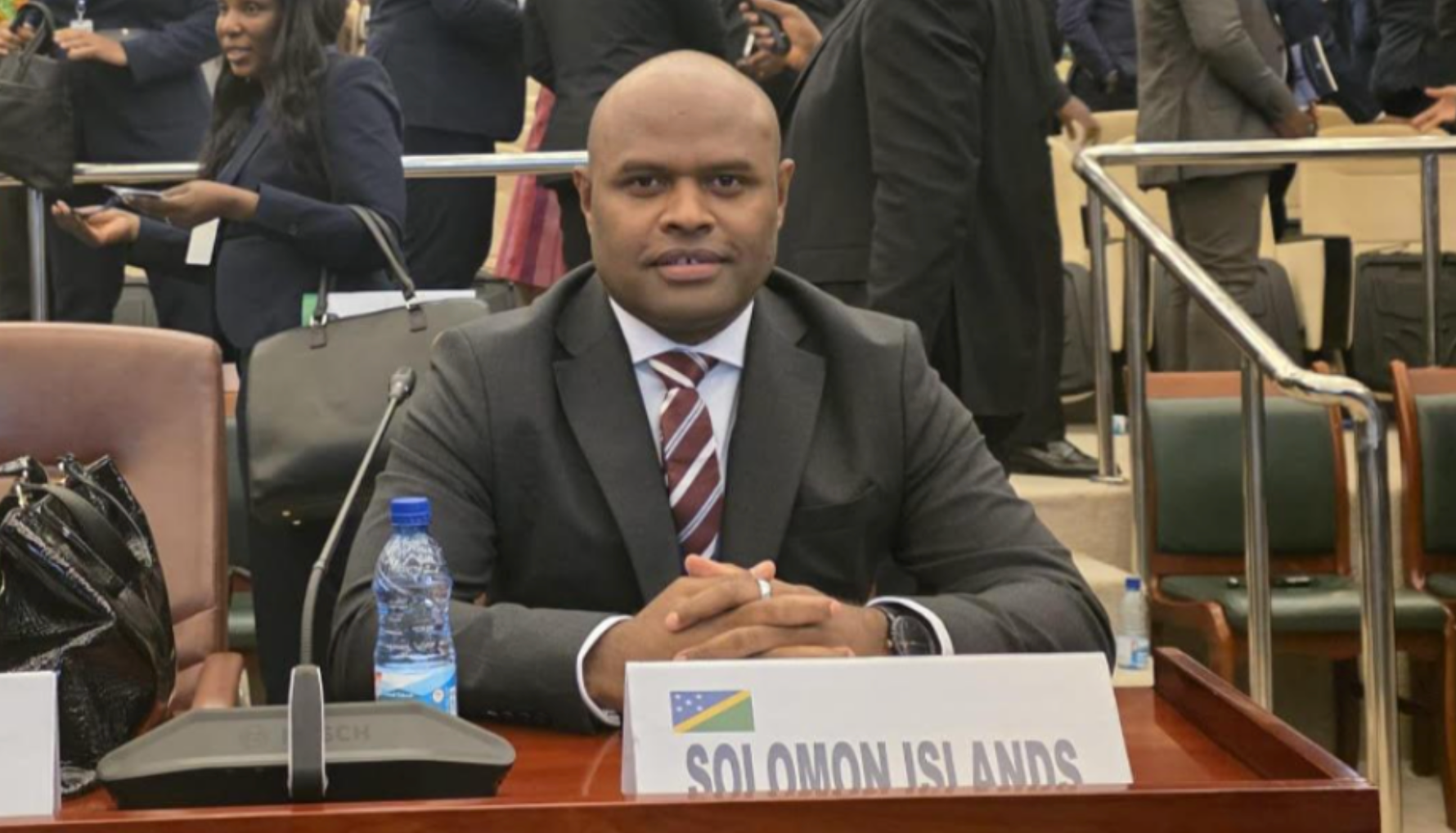
The Solomon Islands joined leaders from across Africa, the Caribbean, and the Pacific for the 11th Summit of the Organization of African, Caribbean and Pacific States (OACPS), held from March 27–29, 2026.
Under the theme “A Transformed and Renewed OACPS in a Changing World,” the summit marked a 50-year milestone for the organization, charting a new course for cooperation among its 79 member states.
The Malabo Declaration: A Roadmap for the Global South
The summit concluded with the adoption of the Malabo Declaration, a strategic document outlining the organization’s priorities in an increasingly complex global landscape. Key pillars of the declaration include:
-
Accelerating the Samoa Agreement: Leaders called for the immediate ratification of the Samoa Agreement—the overarching framework for OACPS-European Union relations—to unlock vital development partnerships.
-
Climate and Development Finance: In a move critical for nations like the Solomon Islands, the summit advocated for the Multidimensional Vulnerability Index (MVI). This index ensures that small island states receive financial support based on their actual environmental and economic risks, rather than just their income levels.
-
Global Governance Reform: Member states reiterated the urgent need to reform the United Nations Security Council, demanding more equitable representation for developing nations in global decision-making.
-
Digital Innovation: To empower the next generation, the OACPS supported a new digital platform designed to connect youth and entrepreneurs across all three regions to foster investment and collaboration.
Strategic Representation
The Solomon Islands was represented at the summit by its Embassy in Brussels, which handles the nation’s primary diplomatic accreditation to the OACPS.
By participating in the Malabo talks, the Solomon Islands government reaffirmed its commitment to collective bargaining on the world stage, focusing on sustainable industrial development and fair, rules-based trade.
The OACPS, established in 1975, continues to serve as the “engine room” for South-South cooperation, ensuring that the voices of the most vulnerable states are heard in international forums.
