
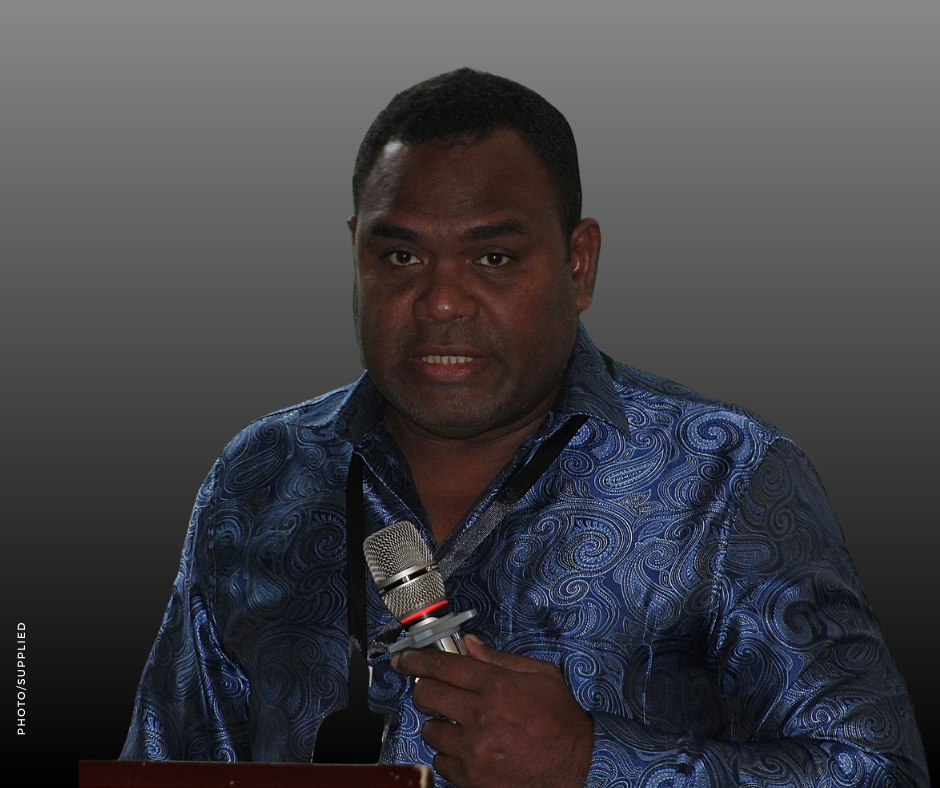
The Solomon Islands Government has moved to clarify what it describes as “inaccurate and misleading” reporting surrounding Mr Solomon Kalu and the position of Director-General of the Solomon Islands Independent Commission Against Corruption (SIICAC), stating that no appointment was ever made and therefore none was rejected.
In a statement issued today, the Ministry of Public Service said Mr Kalu was never appointed to the role, despite widespread reports suggesting his appointment had been rejected.
“There was no rejection of an appointment, as has been widely and incorrectly reported,” the Ministry said.
According to the statement, while Mr Kalu was recommended by an interview panel, the Judicial and Legal Service Commission (JLSC) ultimately determined that he should not have been shortlisted or considered for appointment.
“The process therefore concluded before any appointment arose,” the Ministry explained.
The Ministry said the decision was made independently by the JLSC, a constitutional body established under sections 117 and 118 of the Constitution of Solomon Islands.
“Following its deliberations, the Commission formed the view that, in light of relevant considerations, Mr Kalu was unsuitable for appointment as a public officer, and that the post should be re-advertised,” the statement said, adding that this was a collective decision of the Commission.
The Government also rejected claims that the Attorney-General played a decisive role in the outcome.
“Public commentary has incorrectly suggested that the Attorney-General rejected or directed the outcome of the JLSC process. This is factually and constitutionally incorrect,” the Ministry said.
It clarified that the Attorney-General neither made nor influenced the decision, and did not direct that Mr Kalu be removed from consideration.
“His role was limited to providing legal advice on whether past conduct was a relevant consideration,” the Ministry said, noting that the advice was advisory only and did not bind the Commission.
“The final decision rested solely with the JLSC,” the statement emphasised.
The Ministry further stressed that constitutional commissions operate independently of political or ministerial control.
“Their decisions are made on merit, in accordance with the law, and are not directed by any individual member, including the Attorney-General,” it said.
Expressing concern over what it described as inaccurate and incomplete reporting, the Ministry warned that such coverage had led to unwarranted personal attacks on the Attorney-General and risked undermining public confidence in constitutional governance.
“The Ministry urges media organisations and commentators to report responsibly and accurately on matters involving constitutional bodies and public office holders,” the statement said.


You must be logged in to post a comment.